
Workforce
Demand for healthcare services is on the rise amid a workforce shortage.
View all in Workforce Topic
Untapped Potential: The Older Workforce in America
The United States is undergoing a major demographic shift. By 2034 older adults are projected to outnumber children for the first time in the nation’s history. Falling birth rates coupled with longer life expectancies are driving this shift, with significant implications for families, communities, public programs, and the economy. Older adults can play a role in strengthening the U.S. workforce th...
The Mobility Crisis in Aging America: How Geography and Disability Shape Access to Transportation
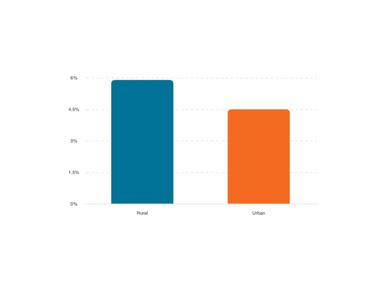
Reliable transportation is essential for maintaining independence, accessing healthcare, and participating fully in community life. Yet for many older adults and people with physical disabilities across the United States, mobility remains one of the greatest barriers to healthy aging. The West Health National Aging Readiness Dashboard, shows that 1 in 5 (21%) adults age 65 and older who live alone...
America’s Unpaid Caregivers: The Hidden Workforce
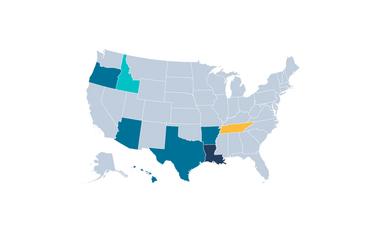
According to the AARP-National Alliance for Caregiving in the U.S. 2025 report, about 63 million Americans, roughly 1 in 4 adults are caring for older parents, spouses, or other loved ones. Family caregivers provide approximately $600 billion in unpaid care each year, helping their family members live independently at home and stay connected to their communities.One of the most striking truths abo...
The Direct Care Workforce Shortage: Opportunities for States

As more older adults express a preference to remain in their homes and communities, the need for direct care workers continues to rise, particularly for home health aides and personal care assistants. These workers provide hands-on support with daily activities, filling critical gaps when family members or other informal caregivers cannot. They work across a variety of settings, from nursing homes...
Making Geriatric Emergency Departments a Nationwide Initiative
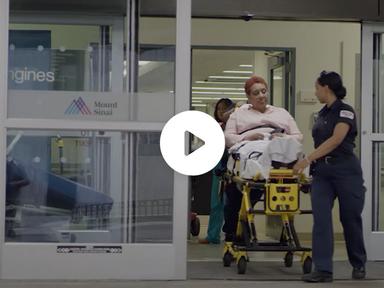
The Institute has partnered with JAHF to establish a national collaborative of nine leading geriatric emergency medicine programs to provide early evidence that GED guideline-based care improves patient outcomes and is cost effective, as well as build a data infrastructure for ongoing research and evaluation.Participating sites include: Mount Sinai Medical Center, St. Joseph’s Regional Medical Cen...