
Telehealth
Examine how telehealth is expanding access to care, particularly for older adults in underserved communities.
View all in Telehealth Topic
Telehealth? West Health’s Innovative Answer to Providing Safe, In-home Eldercare
Rudimentary forms of telemedicine have existed since the late 1950s, when two-way interactive television was used to transmit neurological exams across campuses for medical students, and similar setups were employed for group psychotherapy consultations.West Health, originally formed as the West Wireless Health Institute, has for more than a decade worked in the modern telemedicine space, seeking ...
Implementing Age-Inclusive Telehealth in Post-Acute and Long-Term Care Settings
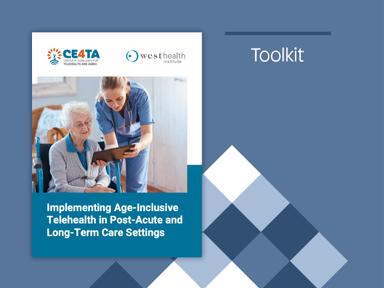
Integrating telehealth into post-acute and long-term care (PALTC) settings is essential for addressing the unique healthcare challenges faced by older adults. This guide outlines the benefits of telehealth, the impact of the COVID-19 pandemic on its adoption, and provides practical steps for implementing and sustaining age-inclusive telehealth services.Impact of the COVID-19 PandemicThe pandemic a...
Using Telehealth to Provide Care Delivery Options to Patients
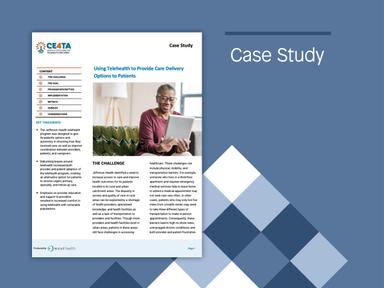
CONTENTTHE CHALLENGETHE GOALPROGRAM DESCRIPTIONIMPLEMENTATIONMETRICSHURDLESCONSIDERATIONSKEY TAKEAWAYSThe Jefferson Health telehealth program was designed to give its patients options and autonomy in choosing how they received care, as well as improve coordination between providers, patients, and caregivers.Debunking biases around telehealth increased both provider and patient adoption of the tele...
Developing Age-Inclusive Telehealth Technologies for Hospital-level Care at Home
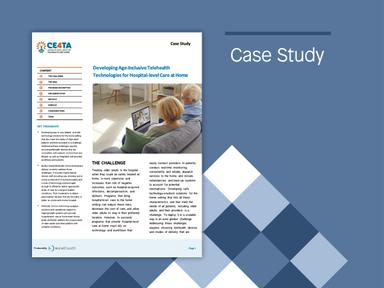
KEY TAKEAWAYSDeveloping easy to use, reliable, and safe technology solutions for the home setting that also meet the needs of older adult patients and their providers is a challenge. Addressing these challenges requires choosing telehealth devices that are compatible with patients’ environment and lifestyle as well as integrated with provider workflows and systems.Boston-based Medically Home devel...
Equity in Telehealth: Toolkit for Telehealth Providers
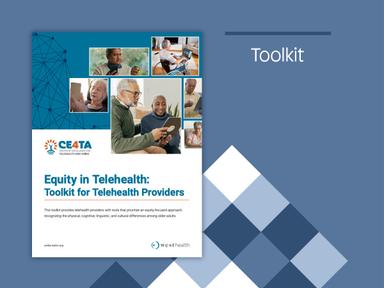
Here are the 14 tools the toolkit outlines for providers to care for older adults using telehealth:Equitable and Accessible CareVision AssessmentHearing AssessmentCognitive AssessmentRecommendations for Communicating with Older Adults During Telehealth EncountersCommunicating with People with DisabilitiesEngaging with Families and CaregiversNational Standards for Culturally and Linguistically Appr...
Transforming Telehealth Care of Older Adult Veterans
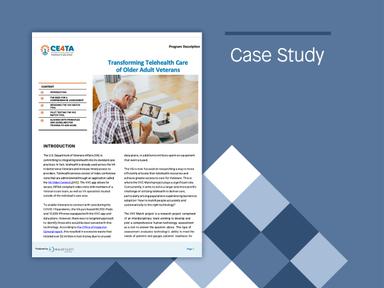
CONTENTIntroductionThe need for a comprehensive assessmentDesigning the VVC match toolPilot testing the VVC match toolAligning with principles and guidelines for telehealth and agingINTRODUCTIONThe U.S. Department of Veterans Affairs (VA) is committing to integrating telehealth into its standard care practices. In fact, telehealth is already used across the VA to better serve Veterans and increase...
Telehealth Principles and Guidelines for Older Adults: a Modified Delphi Approach

AbstractThe COVID-19 pandemic elevated telehealth as a prevalent care delivery modality for older adults. However, guidelines and best practices for the provision of healthcare via telehealth are lacking. Principles and guidelines are needed to ensure that telehealth is safe, effective, and equitable for older adults. The Collaborative for Telehealth and Aging (C4TA) composed of providers, experts...
Perceptions and Uses of Telehealth in the Care of Older Adults
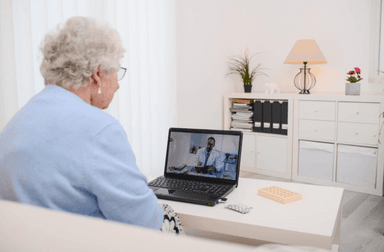
AbstractBackgroundClinicians identify challenges in using telehealth with older adults, yet they continue to use it at high rates. We conducted a nation-wide survey of US clinicians to assess the views and uses of telehealth for older adults (≥65 years old); as well as the perceived advantages and challenges of telehealth and use of age-friendly telehealth practices.Materials/MethodsWe distributed...
Telehealth with older adults: Getting it right
AbstractTelehealth has tremendous potential to improve healthcare access, efficiency, and safety; the COVID pandemic has only made this more evident. The high number of excess deaths1 and decreased utilization of medical care early in the pandemic,2 especially for individuals over age 65, make the case for continued utilization of telehealth in an older adult population post pandemic.In this issue...
PACE Telehealth Playbook
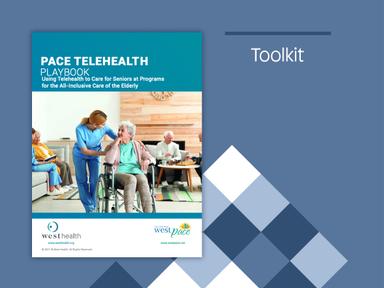
The Program of All-Inclusive Care for the Elderly (PACE) is a comprehensive health care delivery system integrated with Medicare and Medicaid financing. PACE organizations provide comprehensive services, including medical care, personal care, supportive services, transportation, adult day health care, inpatient hospital and nursing facility care coordination, caregiver education, assistive devices...