Prescription Drug Affordability
Prescription drug affordability is a growing challenge for millions of Americans. New data show rising concern about the ability to pay for needed medications, with many households already facing situations where they cannot afford prescriptions.
Featured
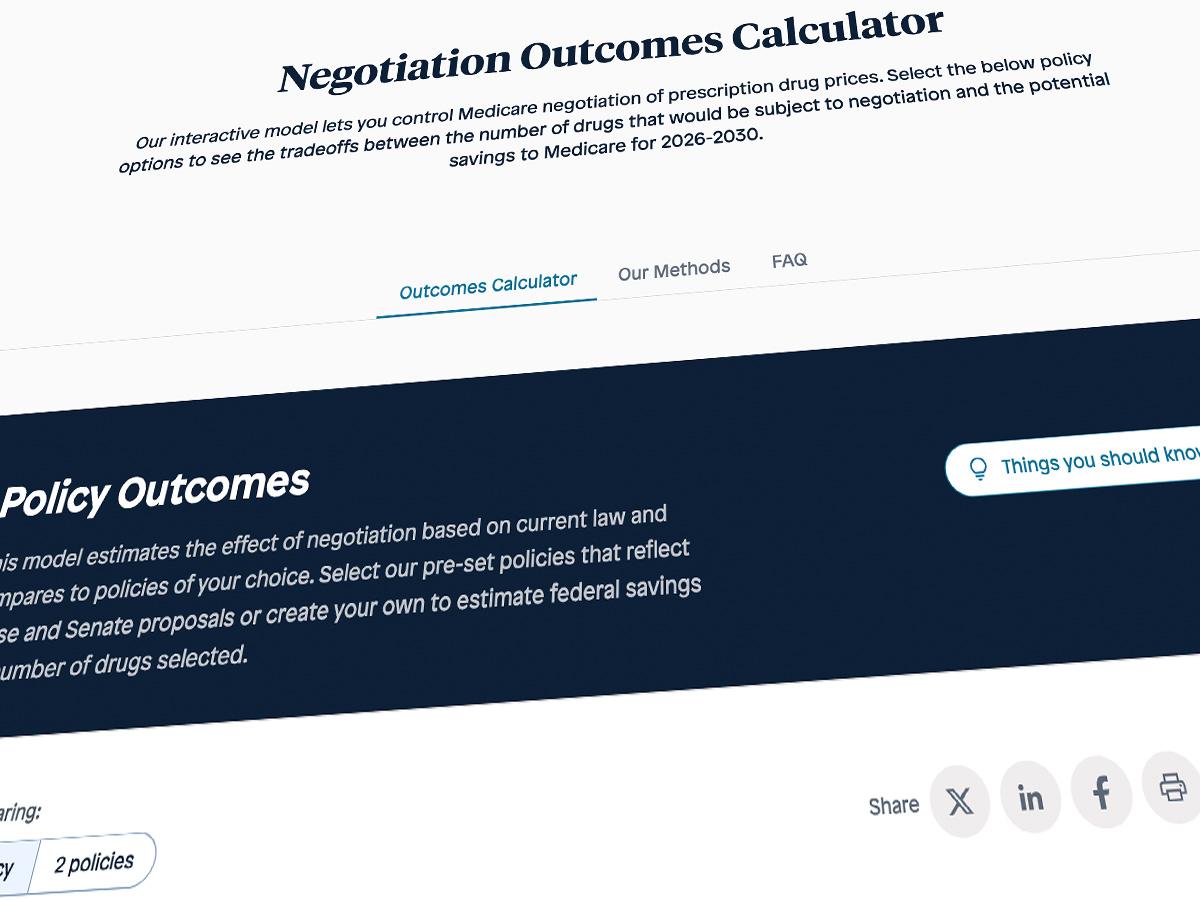
Negotiations Outcomes Calculator
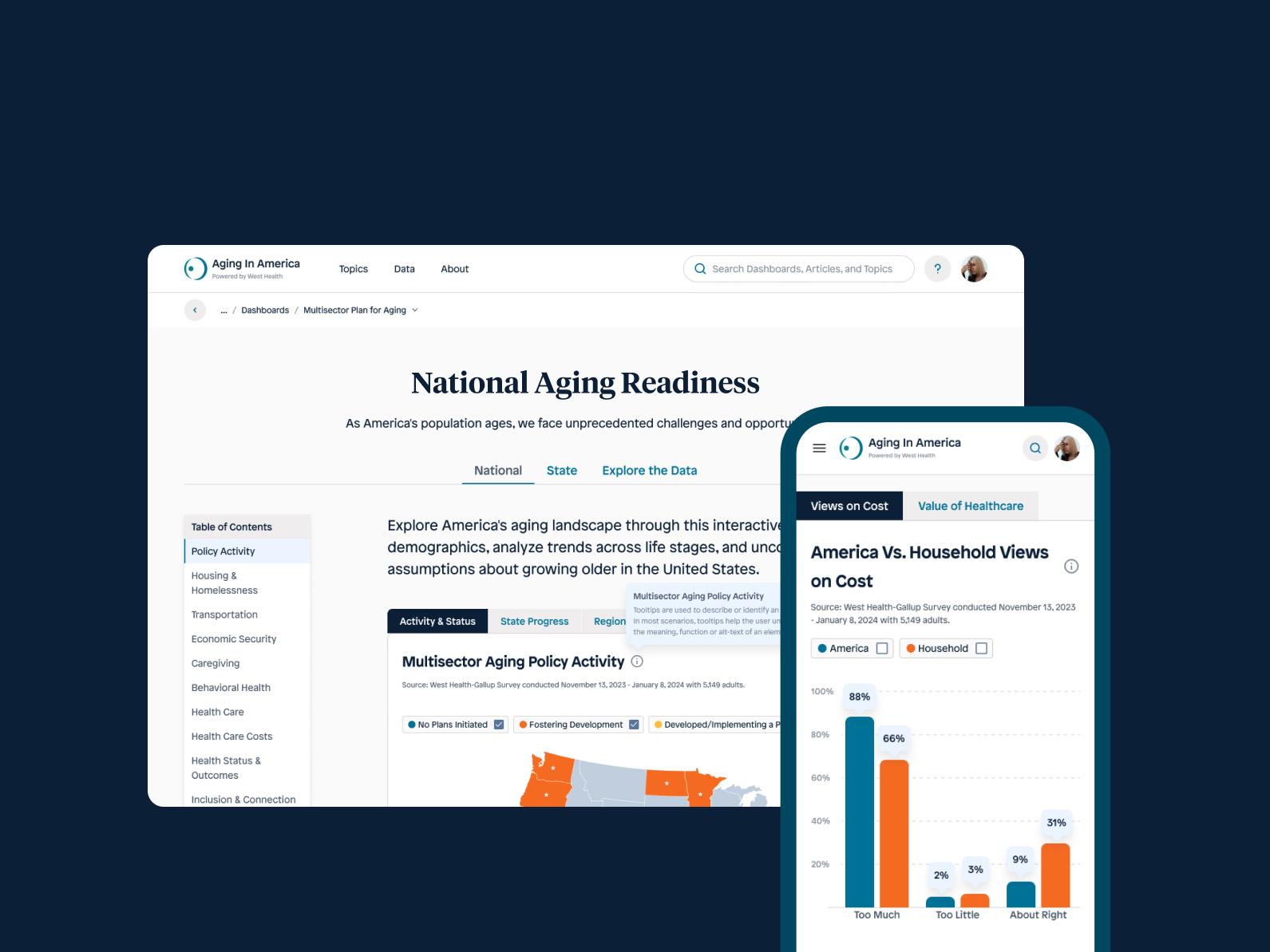
Discover national well-being trends through our interactive dashboard. Featuring data from cities with over 100,000 residents, it summarizes seven crucial aspects of life, from financial health to social connections.
Prescription Drug Affordability in America: A Growing Crisis

Payments from manufacturers of these ARMD therapies to ophthalmologists are hypothesized to be factors in ophthalmologists’ therapeutic choice, controlling for ophthalmologist and patient characteristic
Executive Summary | Pharmacy Benefit Manager Reforms: Can Congress Fix the Market Without Breaking It?
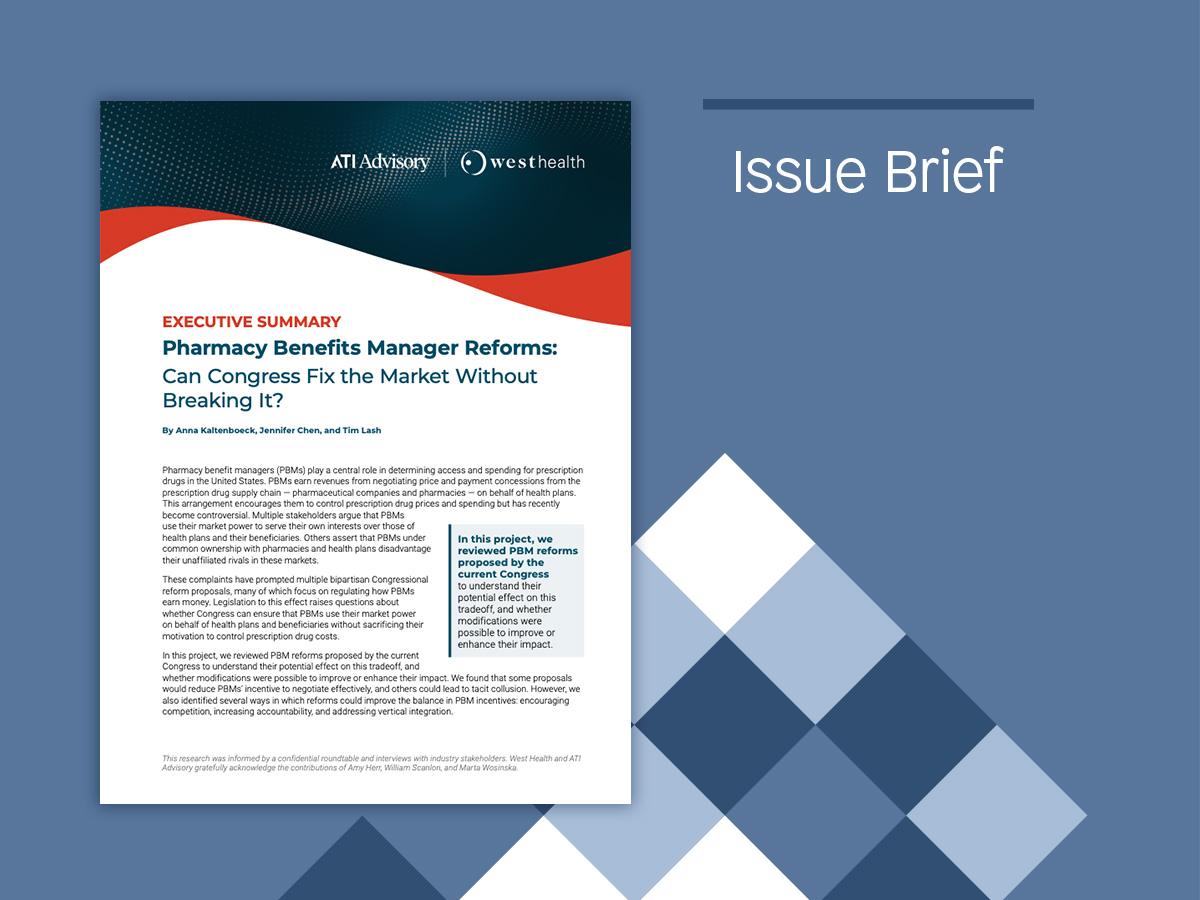
Congressional proposals aim to regulate Pharmacy Benefit Managers (PBMs) to enhance market transparency, foster competition, and ensure fair drug pricing, without compromising their negotiating capabilities.
Education
Cutting through complexity to support effective drug pricing policy
Cutting through complexity to support effective drug pricing policy. Our resources cut through complexity to highlight the forces driving prescription drug prices. They equip decision-makers with the insights needed to advance more effective affordability solutions.
Patient Affordability
Bringing patient experiences to the forefront of prescription drug policy debates
Bringing patient experiences to the forefront of prescription drug policy debates. For many patients, the price of prescription drugs directly shapes whether they can access and stay on needed treatments. Their experiences reveal how affordability challenges lead to difficult tradeoffs, impacting health, financial stability, and well-being.

Medicare Negotiation
Unpacking the policy, process, and potential impact of Medicare drug price negotiation
Unpacking the policy, process, and potential impact of Medicare drug price negotiation. Medicare negotiation is reshaping how drug prices are set—bringing new leverage to lower costs for beneficiaries. Explore how the program works and what different policy scenarios could mean for costs and savings.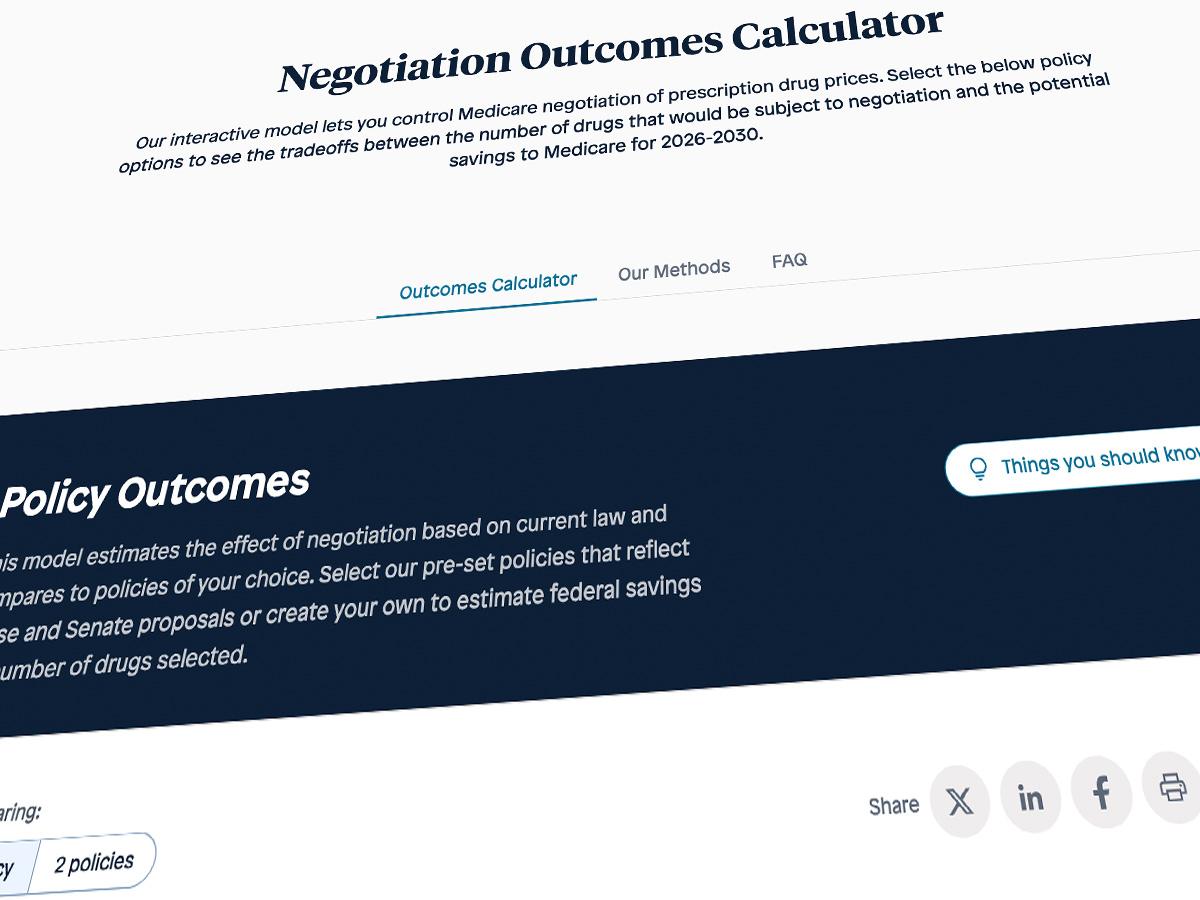

PBMs
Analyzing the role of PBMs and how to realign incentives
PBMs influence key aspects of the prescription drug system that affect patients and payers alike. These resources unpack those dynamics and explore reforms to better align incentives and lower costs.
View all in Prescription Drug Affordability Topic
What Is Medicaid? A Guide to Qualifications, What It Covers, & Costs
Key Takeaways: Medicaid covers 74M+ Americans, 41% of U.S. births, and 5 in 8 nursing home residents, making it the largest health insurer in the U.S. Eligibility combines federal rules with state variation; expansion states cover adults up to 138% of the federal poverty level. Mandatory benefits include hospital care, physician services, and nursing facility care; dental, vision, and prescription...
Prescription Drug Costs: Plans, Coverage, & Other Price-Driving Factors
Key Takeaways: U.S. prescription drug spending hit $805.9 billion in 2024, with prices averaging 2.78x higher than 33 other OECD nations. High costs stem from manufacturer pricing power, patent thickets, opaque PBM rebates, and insurance cost-sharing tied to list prices. The IRA capped Medicare Part D out-of-pocket costs at $2,100 in 2026 and enabled the first round of Medicare drug price negotiat...
How Much Can Pharma Lose?
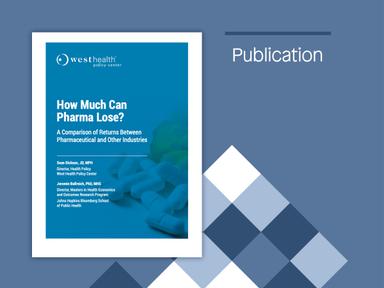
IntroductionWhenever policymakers consider approaches to reduce drug spending, the pharmaceutical industry sings a familiar refrain — any reduction in drug manufacturer revenues will cause investment to wither, depriving manufacturers of the resources needed to research and develop future treatments. The empirical validity of this argument has not, to our knowledge, been analyzed. In this analysis...
American Exceptionalism
Americans pay substantially more for prescription drugs than people in other high-income countries, often three to four times as much, even though they use fewer medications and have worse overall health outcomes. This gap has been known for decades, but policy efforts have not significantly reduced prices. The problem is rooted in the structure of the U.S. healthcare system rather than difference...
Industrial Evolution
Over the last decade, pharmacy benefit managers (PBMs) have become highly consolidated and vertically integrated, playing a central role in negotiating drug rebates on behalf of health plans. In recent years, however, PBMs have increasingly shifted this function to newly created entities known as rebate aggregators. Launched by the three largest PBMs, these aggregators now negotiate billions of do...
Executive Summary | Pharmacy Benefit Manager Reforms: Can Congress Fix the Market Without Breaking It?
Pharmacy benefit managers (PBMs) play a central role in determining access and spending for prescription drugs in the United States. PBMs earn revenues from negotiating price and payment concessions from the prescription drug supply chain — pharmaceutical companies and pharmacies — on behalf of health plans. This arrangement encourages them to control prescription drug prices and spending but has ...
The Case for Lower Drug Prices for All Americans
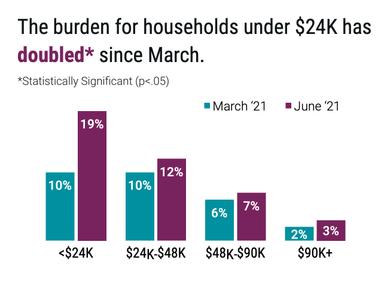
Key Findings1 in 2 Americans with commercial insurance is worried that the cost of prescription drugs will keep rising until they are unable to afford them.Adults under 65 with at least one prescription are twice as likely as those 65 or older to report they or a family member skipped a pill to save money.The burden for households under $24K has doubled since March 2021.
The Burden of High Drug Prices
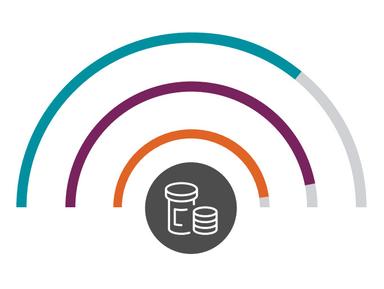
Many Americans are struggling to afford their medications, with nearly 1 in 5 households concerned about costs and 11% unable to pay for at least one prescription in the past year. The burden is greater for unemployed individuals, and adults of color in non-Medicaid expansion states are 88% more likely to face medication insecurity. To save money, many skip pills or request generics, with Hispani...
Negotiation Outcomes Calculator
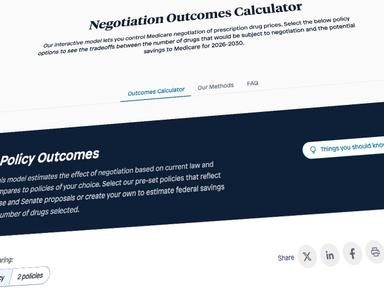
Our interactive model lets you control Medicare prescription drug price negotiation policy. Select policy options and see the effects and tradeoffs between the number of drugs that would be subject to negotiation and the potential savings to Medicare for 2029-2033.
Impact of the Inflation Reduction Act on Medicare Beneficiary Affordability and Mortality
The Inflation Reduction Act (IRA) introduced multiple reforms to Medicare prescription drug payments, including a redesign of the Part D prescription drug benefit, rebates for drugs with price increases beyond inflation, the ability for Medicare to negotiate the price of certain drugs, and an option to have a predictable monthly payment plan for some beneficiaries. These changes are intended to im...