
Planning for Aging
Many states are developing multi-sector plans for aging. Learn how these plans are advancing and helping the country prepare for a larger population of older adults with our resources.
View all in Planning for Aging Topic
Inside the West Health City Checkup
Not one of the 789 cities graded by the West Health City Checkup earned an A. Rockville, Maryland, ranked first in the country, earns the single highest grade anyone achieved: a B+. Its Safety & Security domain, on its own, sits at only the 72nd percentile.1 Strong, not flawless, and that's true of the best report card in America.That's not a flaw in the measurement. It's the finding, and that’s w...

America's Cities Just Got a Checkup
Today, 789 American cities took the same checkup. Not one earned an A. West Health graded all of them, A+ to F, across seven dimensions of daily life: financial security, infrastructure, mental and behavioral health, physical environment, physical health, safety, and social connection. Rockville, Maryland earned the best report card in the country, a B+. Memphis, Tennessee ranked 789th out of 789....
Aging with Dignity: Missouri’s Plan to Support an Aging Population

When Missouri released “Aging with Dignity: Missouri’s Master Plan on Aging“ in February 2026, it joined a growing number of states using cross-agency, cross-sector plans to better coordinate policies and services for older adults. The plan grew out of mounting recognition that Missouri’s aging population was growing, yet its infrastructure and services were underequipped to effectively support th...
What Is Medicaid? A Guide to Qualifications, What It Covers, & Costs
Key Takeaways: Medicaid covers 74M+ Americans, 41% of U.S. births, and 5 in 8 nursing home residents, making it the largest health insurer in the U.S. Eligibility combines federal rules with state variation; expansion states cover adults up to 138% of the federal poverty level. Mandatory benefits include hospital care, physician services, and nursing facility care; dental, vision, and prescription...
Prescription Drug Costs: Plans, Coverage, & Other Price-Driving Factors
Key Takeaways: U.S. prescription drug spending hit $805.9 billion in 2024, with prices averaging 2.78x higher than 33 other OECD nations. High costs stem from manufacturer pricing power, patent thickets, opaque PBM rebates, and insurance cost-sharing tied to list prices. The IRA capped Medicare Part D out-of-pocket costs at $2,100 in 2026 and enabled the first round of Medicare drug price negotiat...
Housing Cost Burden Among Older Adult Renters
Increasing housing costs impact many people in the United States. As incomes decline with age and housing costs continue to rise,1 a growing number of older adults are at risk of financial hardship, housing instability, and even homelessness. According to the U.S. Census Bureau, housing costs rose between 2022 and 2023 for renters and homeowners.2 In a 2025 report from the Congressional Research S...
Improving Hospital Compliance With Price Transparency Rules
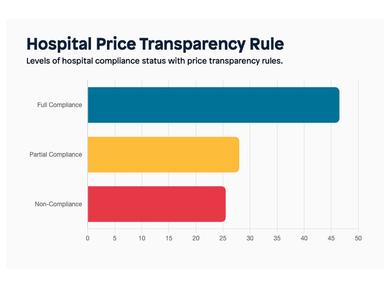
Price transparency has long been viewed as a critical component of driving competition and consumerism in health care. Until recently, however, price data were largely unavailable and out of reach of nearly all consumers, policymakers, and researchers.Starting January 2021, through the Hospital Price Transparency rule, the Centers for Medicare and Medicaid Services (CMS) required hospitals to post...
77% of Older Adults Want to “Age in Place” - Housing, Health Care, and Transportation
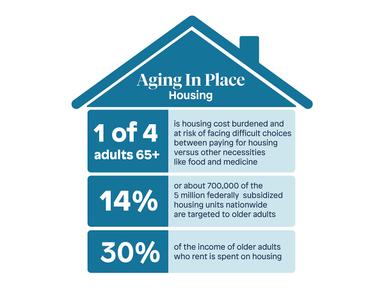
If there is one thing Americans can agree on, it’s that they do not want to end their life living in a nursing home. In fact, about 77% of older adults say that they want to “age in place,” remaining in their communities surrounded by the places, people, and things they love. For some this means continuing to live in their current home. For others this might include living in the home of a relati...
Addressing Cognitive Decline in a Diverse Aging Population
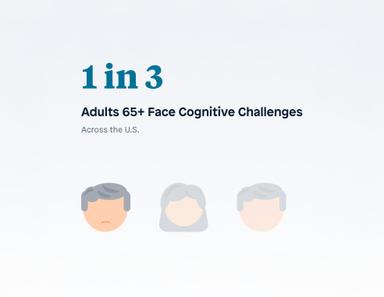
Cognitive decline affects nearly one-third of adults age 65 and older across the U.S., shaping how they move through daily life, interact with others, and navigate the healthcare system. While cognitive changes can be a normal part of aging, the experience is far from universal. For older adults from historically marginalized racial and ethnic groups, cognitive decline is compounded by systemic in...