
Housing & Homelessness
Examine the housing needs of older adults.
View all in Housing & Homelessness Topic
Housing Cost Burden Among Older Adult Renters
Increasing housing costs impact many people in the United States. As incomes decline with age and housing costs continue to rise,1 a growing number of older adults are at risk of financial hardship, housing instability, and even homelessness. According to the U.S. Census Bureau, housing costs rose between 2022 and 2023 for renters and homeowners.2 In a 2025 report from the Congressional Research S...
77% of Older Adults Want to “Age in Place” - Housing, Health Care, and Transportation
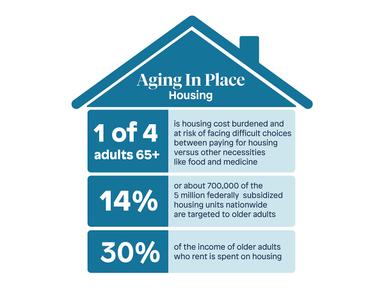
If there is one thing Americans can agree on, it’s that they do not want to end their life living in a nursing home. In fact, about 77% of older adults say that they want to “age in place,” remaining in their communities surrounded by the places, people, and things they love. For some this means continuing to live in their current home. For others this might include living in the home of a relati...
From Isolation to Connection: Supporting Older Adults in Connecting to Community
Social Isolation and loneliness — what is the difference? Social isolation means a person has few social relationships and/or little contact or support from others. Loneliness is the subjective experience of feeling alone or not close to others. Someone can, objectively, have many social connections, but still feel alone. Social isolation is a growing public health concern in the United States, l...
Housing, Homelessness, and Health: A Path Forward for Older Adults
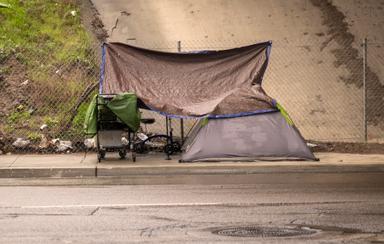
The rise in housing insecurity and homelessness among older adults across the U.S. is creating critical challenges for health and social systems. As the U.S. aging population grows, the lack of affordable and accessible housing for older adults is becoming an increasingly urgent issue that can have serious implications for their health and ability to maintain stable housing.i Many older adults li...
Promoting Home Affordability: A Key to Independence

Access to an affordable home can improve health outcomes, housing stability, and financial security. Shelter is a basic human need and a key social determinant of health. For instance, providing chronically homeless individuals with stable and affordable homes can reduce health care costs by an average of $10,470 per person.Yet, affordable homes remain out of reach for many older Americans. In 202...
Housing and Healthcare Integration for Low-Income Seniors: Experiences with an Effort to Launch an Innovative Initiative
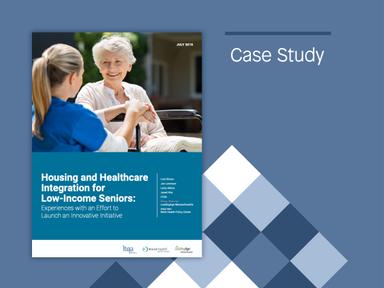
A new report by LTQA, the West Health Policy Center and LeadingAge Massachusetts advances efforts to improve models of integrated care and social supports for seniors living in senior housing.