
Healthcare Lived Experience
Americans navigate a healthcare system that is often complex, costly, and difficult to access. Explore articles and insights about healthcare experiences, patient access, medical affordability, caregiving, and the real-life challenges people face when seeking quality care.
View all in Healthcare Lived Experience Topic
What Is Medicaid? A Guide to Qualifications, What It Covers, & Costs
Key Takeaways: Medicaid covers 74M+ Americans, 41% of U.S. births, and 5 in 8 nursing home residents, making it the largest health insurer in the U.S. Eligibility combines federal rules with state variation; expansion states cover adults up to 138% of the federal poverty level. Mandatory benefits include hospital care, physician services, and nursing facility care; dental, vision, and prescription...
Prescription Drug Costs: Plans, Coverage, & Other Price-Driving Factors
Key Takeaways: U.S. prescription drug spending hit $805.9 billion in 2024, with prices averaging 2.78x higher than 33 other OECD nations. High costs stem from manufacturer pricing power, patent thickets, opaque PBM rebates, and insurance cost-sharing tied to list prices. The IRA capped Medicare Part D out-of-pocket costs at $2,100 in 2026 and enabled the first round of Medicare drug price negotiat...
77% of Older Adults Want to “Age in Place” - Housing, Health Care, and Transportation
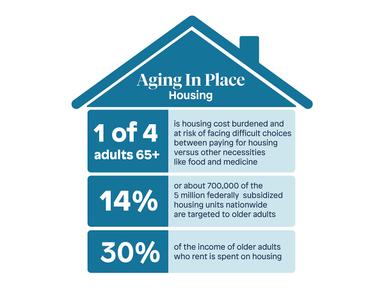
If there is one thing Americans can agree on, it’s that they do not want to end their life living in a nursing home. In fact, about 77% of older adults say that they want to “age in place,” remaining in their communities surrounded by the places, people, and things they love. For some this means continuing to live in their current home. For others this might include living in the home of a relati...
Protecting Patients from Unexpected Outpatient Facility Fees
In recent years, health care consumers, payers, and policymakers have brought attention to the growing prevalence of hospital outpatient facility fees in the United States. As hospitals and health systems expand their ownership and control of ambulatory care practices, they are typically charging new facility fees for services delivered in these outpatient settings. Consumers, too, are facing grea...
Forging Aligned Partnerships Between Value Based Care Organizations & Geriatric Emergency Departments: A Toolkit for Geriatric Emergency Departments
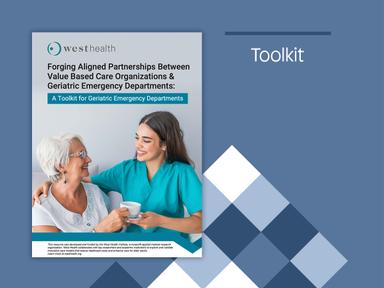
Value-Based Care Organizations (VBCOs) can often provide additional disposition options or outpatient resources that GED clinicians are not aware of or do not know how to easily access, such as acute care at home. At West Health, we believe that VBCOs and Geriatric Emergency Departments (GEDs) can forge aligned partnerships to improve the cost and care trajectory for older adults by reducing unnec...
How H.R. 1, The One Big Beautiful Bill Act, Reshapes Healthcare for Older Adults
H.R. 1, or the One Big Beautiful Bill Act (OBBBA) was signed into law on July 4, 2025. The legislation introduced wide-ranging reforms across Medicaid and Medicare, with significant implications for how states finance and deliver care to older adults. In addition, OBBBA includes changes to social services, such as the Supplemental Nutrition Assistance Program (SNAP), and provides funding for trans...
VaxMap 2.0: West Health Policy Center and University of Pittsburgh School of Pharmacy Develop County-Level Map of Potential COVID-19 Vaccine Locations
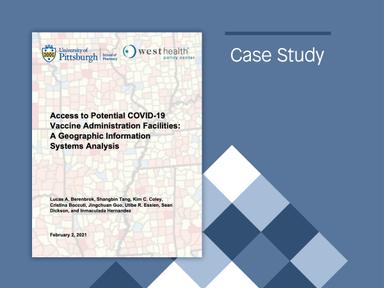
EXECUTIVE SUMMARYIntroductionPreparedness and planning are of upmost importance to ensure a timely and equitable administration of COVID-19 vaccines among the U.S. population. Geographic information systems analysis can be used to inform the design of vaccine distribution and administration plans. These analyses can identify limitations in the existing health care facility infrastructure to ensure...
American Exceptionalism
Americans pay substantially more for prescription drugs than people in other high-income countries, often three to four times as much, even though they use fewer medications and have worse overall health outcomes. This gap has been known for decades, but policy efforts have not significantly reduced prices. The problem is rooted in the structure of the U.S. healthcare system rather than difference...
Key Challenges Women Face that Impact Their Financial Security
Planning for retirement is difficult at any age, but it can be especially challenging for women ages 50 to 64, who are often juggling work, caregiving responsibilities, and rising health expenses associated with an increase in health care needs. These years are also often women’s peak earning years, making this period a critical window to build savings and strengthen financial security. Elder Inde...
An Ailing Nation: Americans Are Getting Sicker Younger
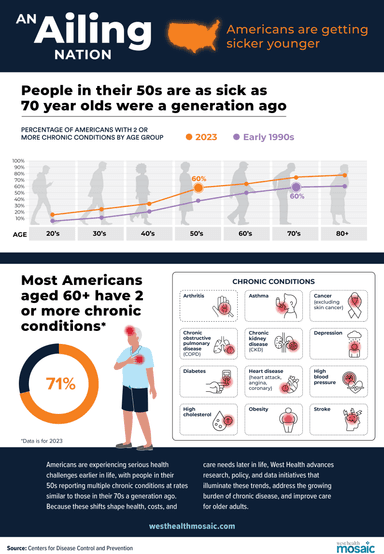
The data below compare the share of adults with two or more chronic conditions in the early 1990s and in 2023, illustrating how the burden of multi-morbidity has shifted toward younger ages over time. The graphic also highlights the high prevalence of chronic disease among adults 60 and older and identifies the conditions most commonly contributing to this trend. Together, these findings help expl...