Economic Security
Explore the financial challenges of aging and the policies needed to ensure economic security for older adults.
View all in Economic Security Topic
Improving Hospital Compliance With Price Transparency Rules
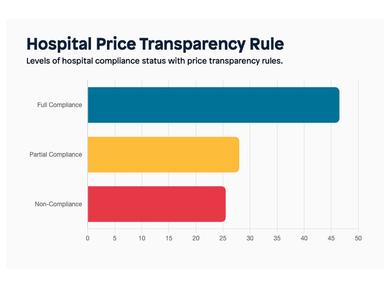
Price transparency has long been viewed as a critical component of driving competition and consumerism in health care. Until recently, however, price data were largely unavailable and out of reach of nearly all consumers, policymakers, and researchers.Starting January 2021, through the Hospital Price Transparency rule, the Centers for Medicare and Medicaid Services (CMS) required hospitals to post...
American Exceptionalism
Americans pay substantially more for prescription drugs than people in other high-income countries, often three to four times as much, even though they use fewer medications and have worse overall health outcomes. This gap has been known for decades, but policy efforts have not significantly reduced prices. The problem is rooted in the structure of the U.S. healthcare system rather than difference...
Key Challenges Women Face that Impact Their Financial Security
Planning for retirement is difficult at any age, but it can be especially challenging for women ages 50 to 64, who are often juggling work, caregiving responsibilities, and rising health expenses associated with an increase in health care needs. These years are also often women’s peak earning years, making this period a critical window to build savings and strengthen financial security. Elder Inde...
Industrial Evolution
Over the last decade, pharmacy benefit managers (PBMs) have become highly consolidated and vertically integrated, playing a central role in negotiating drug rebates on behalf of health plans. In recent years, however, PBMs have increasingly shifted this function to newly created entities known as rebate aggregators. Launched by the three largest PBMs, these aggregators now negotiate billions of do...
Executive Summary | Pharmacy Benefit Manager Reforms: Can Congress Fix the Market Without Breaking It?
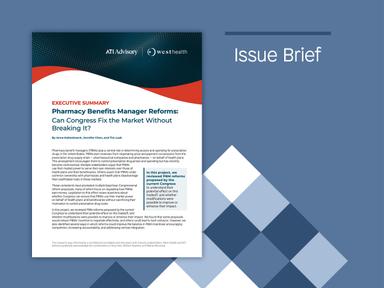
Pharmacy benefit managers (PBMs) play a central role in determining access and spending for prescription drugs in the United States. PBMs earn revenues from negotiating price and payment concessions from the prescription drug supply chain — pharmaceutical companies and pharmacies — on behalf of health plans. This arrangement encourages them to control prescription drug prices and spending but has ...
Understanding Pathways to Medicaid Eligibility Among California's Medicare Beneficiaries
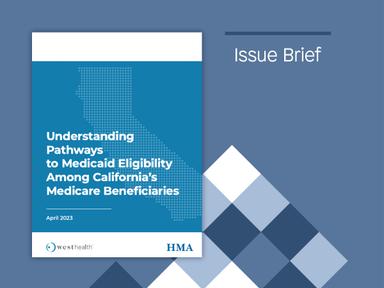
Executive SummaryIndividuals who are enrolled in both Medicare and Medicaid are considered ‘dually eligible’ for both programs as a result of their low income, age, and/or disability status. Because of the varying eligibility pathways, dually eligible beneficiaries are a diverse group, including some of the most medically complex and high-cost enrollees, as well as enrollees who are comparatively ...
New Interactive Guide Looks to Make Aging in Place a Healthy Reality for More Americans

Joyce, a woman in her 60s living in San Diego County, doesn’t want to move into a nursing home—despite having multiple chronic medical conditions and a history of severe back issues that have caused dangerous falls in the past.Fortunately, she doesn’t have to. Joyce can continue living independently in her apartment with the companionship of her dog while gaining comprehensive healthcare support t...
America: An Aging Nation
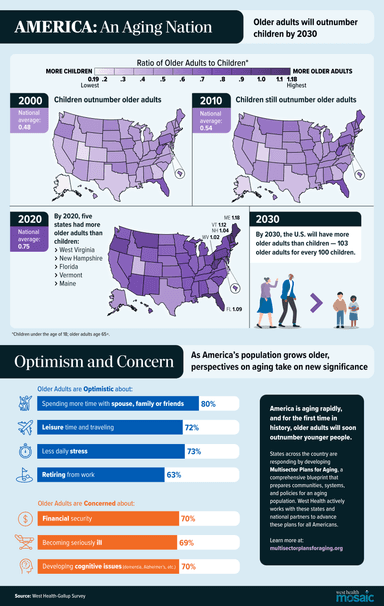
The infographic below illustrates how quickly the nation’s age balance is changing — and how that change is already playing out across states. It also pairs demographic projections with survey data capturing how older adults themselves feel about aging. Together, these insights highlight both the scale of the transition and the lived experience behind the numbers.Key TakeawaysBy 2030, older adults...
Older Adults Without Medicare: Uninsured Seniors and Coverage Gaps
Medicare provides near-universal coverage for adults aged 65 and over in the United States, accounting for $624 billion in personal health care spending for this age group in 2020. Yet older adults still paid $165 billion out of pocket for personal health care in 2020. Some of this out-of-pocket spending was by the 31% of older adults who have Medicare coverage only and must fill in its coverage g...
Pharmacy Benefit Manager Reforms: Can Congress Fix the Market Without Breaking It?
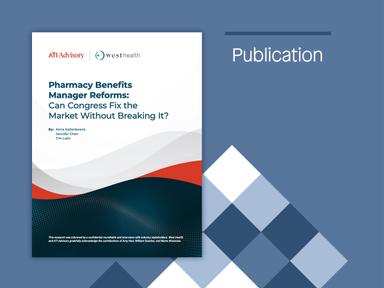
IntroductionPharmacy benefit managers (PBMs) play a central role in determining access and spending for prescription drugs in the United States. PBMs earn revenues from negotiating price and payment concessions from pharmaceutical companies and pharmacies on behalf of health plans. This arrangement encourages them to control prescription drug prices and spending, but has recently become controvers...