
Demographics & Population
America’s aging population is reshaping healthcare systems, communities, and public policy nationwide. Explore articles and insights on demographic trends, population aging, healthcare access, and how organizations are responding to the changing needs of older adults in an increasingly diverse society.
View all in Demographics & Population Topic
Finding Harmony: Coordinating Support for Aging and Disability Populations
As America ages, states are facing a pivotal challenge: How to support older adults, people with disabilities, and their caregivers in ways that are coordinated, person-centered, and sustainable. Two major movements address this challenge: No Wrong Door systems and Multisector Plans for Aging (MPAs).At first glance, they may seem like separate melodies. But in reality, they are deeply connected an...
Where You Age Matters: Economic Security Across States
Economic security in later life depends on both household income and the costs of meeting basic needs where people live. In other words, older adults (age 65+) may have similar retirement incomes, yet face very different costs for meeting their basic needs. The Elder Index makes those differences visible by estimating the income required to cover essential expenses by county. The Elder Index measu...
Feelings Meet Facts: What We See When We Overlay Our Gallup Survey on the City Checkup
Nearly one in four U.S. workers, about 23 million people, say they're staying in a job they want to leave because they're afraid of losing their health insurance.1 Researchers call this job lock, and according to new research from our West Health-Gallup Center on Healthcare in America, it's risen eight percentage points since 2021.1,2 That's a feeling, captured the way we capture feelings through ...
Inside the West Health City Checkup
Not one of the 789 cities graded by the West Health City Checkup earned an A. Rockville, Maryland, ranked first in the country, earns the single highest grade anyone achieved: a B+. Its Safety & Security domain, on its own, sits at only the 72nd percentile.1 Strong, not flawless, and that's true of the best report card in America.That's not a flaw in the measurement. It's the finding, and that’s w...
America's Cities Just Got a Checkup
Today, 789 American cities took the same checkup. Not one earned an A. West Health graded all of them, A+ to F, across seven dimensions of daily life: financial security, infrastructure, mental and behavioral health, physical environment, physical health, safety, and social connection. Rockville, Maryland earned the best report card in the country, a B+. Memphis, Tennessee ranked 789th out of 789....
The Gender Gap in Aging: Economic Security in 2025
Life-long patterns of inequality in work experiences and wealth accumulation contribute to substantial gender disparities in retirement security. These factors reduce women’s earnings and their capacity to accumulate retirement resources. Women also typically outlive men, increasing the likelihood of becoming widowed and living alone and stretching already limited resources across a longer retirem...
Why Aging with HIV Must Be Included in Every Multisector Plan for Aging
Understanding the intersection of HIV and aging is essential particularly as states develop multisector plans for aging (MPAs). People aging with HIV include long-term survivors, individuals who acquired HIV at birth or in childhood and have lived with the virus their entire lives (lifetime survivors), as well as individuals diagnosed later in life. This diverse aging community faces unique clinic...
Leading by Example: Minnesota’s Approach to Dementia and Aging
Minnesota’s rapidly aging population has made Alzheimer’s disease and related dementias a pressing priority for the state. More than 120,000 Minnesotans are living with Alzheimer’s, a 20% increase from 2020. Caring for residents with dementia also carries a heavy economic burden, costing Minnesota’s Medicaid program roughly $1 billion annually.To address this, the state has woven dementia-focused ...
Creating the Strategic Framework for a National Plan on Aging
Aging in America and the Case for a National Plan on AgingThere are more than 77 million adults ages 60 and older living in the United States, representing more than 23% of its total population, and this cohort is expected to continue growing rapidly in the coming years. In addition, more people are aging with a disability. Our changing demographics require all levels of government, along with key...
How Transportation Shapes Health Care Access for Older Adults
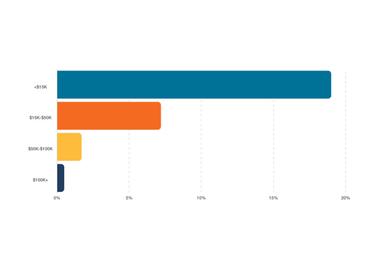
As we age, access to transportation greatly influences our ability to maintain independence and engage in essential daily activities. For more than 11 million older adults who no longer drive, reliable transportation often determines whether they can access timely care, manage their chronic conditions, grocery shopping, and stay connected to their communities. Nearly 10% of older adults over age 6...