
Dementia Articles
Delve into the growing impact of dementia on individuals, families, and communities, with our articles highlighting approaches to care and prevention.
View all in Dementia Articles Topic
Association of Dementia Diagnosis with Urinary Tract Infection in the Emergency Department
AbstractObjectivesOverdiagnosis of urinary tract infections (UTI) among people living with dementia is a nationally recognized problem associated with morbidity from antibiotics as well as multidrug-resistant bacteria. However, whether this problem also exists in the emergency department (ED) is currently unknown.MethodsTo examine the association between dementia and UTI diagnosis in the ED we per...
A Milestone in Brain Health: U.S. POINTER Study Confirms Lifestyle Can Protect Memory
Dementia, a progressive decline in cognitive function, is one of the most urgent public health challenges of our time. It affects millions of Americans and places a significant emotional, financial, and social burden on families. Until recently, much of the conversation around dementia has focused on treatment and care. But with the release of results from the U.S. POINTER Study on brain health, t...
Addressing Cognitive Decline in a Diverse Aging Population
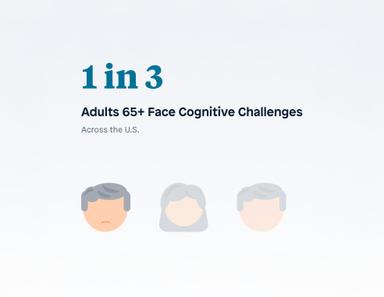
Cognitive decline affects nearly one-third of adults age 65 and older across the U.S., shaping how they move through daily life, interact with others, and navigate the healthcare system. While cognitive changes can be a normal part of aging, the experience is far from universal. For older adults from historically marginalized racial and ethnic groups, cognitive decline is compounded by systemic in...
Leading by Example: Minnesota’s Approach to Dementia and Aging
Minnesota’s rapidly aging population has made Alzheimer’s disease and related dementias a pressing priority for the state. More than 120,000 Minnesotans are living with Alzheimer’s, a 20% increase from 2020. Caring for residents with dementia also carries a heavy economic burden, costing Minnesota’s Medicaid program roughly $1 billion annually.To address this, the state has woven dementia-focused ...
9-1-1: Older Adults with Dementia Need Better Care in America’s Fast-Paced Emergency Rooms
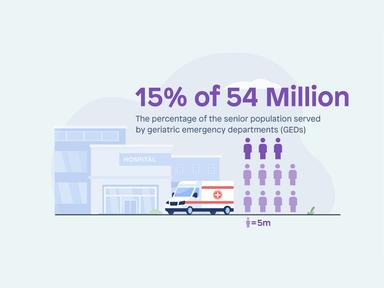
Local emergency rooms are often the first and last places older adults with Alzheimer’s disease and their caregivers turn to for care either because their options have run out or they feel they have nowhere else to turn. Both can be true at the same time, and sadly when it comes to dementia, it often is.The problem though is that while ERs are effective at handling medical emergencies, they are no...
30‐Day Emergency Department Revisit Rates among Older Adults with Documented Dementia

AbstractObjectivesPublished literature on national emergency department (ED) revisit rates among older adults with dementia is sparse, despite anecdotal evidence of higher ED utilization. Thus we evaluated the odds ratio (OR) of 30-day ED revisits among older adults with dementia using a nationally representative sample.DesignWe assessed the frequency of claims associated with a 30-day ED revisit ...