
Behavioral Health
Discover the importance of access to behavioral health services and support for older adults amid a mental health crisis in the U.S.
View all in Behavioral Health Topic
An In-Depth Look at Behavioral Health Trends
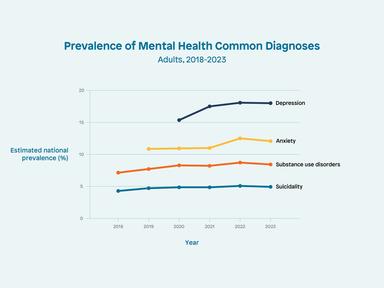
Why Behavioral Health Trends are a Matter of UrgencyAcross the United States, behavioral health symptoms and diagnoses – which encompass mental health and substance use disorders – are on the rise. Because they are common across both adult and pediatric populations, our team of researchers set out to better understand the societal impact of this increase. Our researchers found that behavioral heal...
Expanding Access: Collaborative Care in Federally Qualified Health Centers
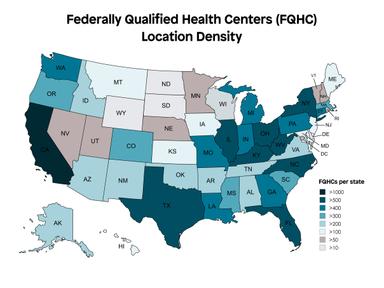
IntroductionFederally Qualified Health Centers, commonly referred to as FQHCs, are non-profit centers that provide primary medical care to commonly under-resourced and under-served geographic areas and populations. FQHCs receive funding from the federal government through the Health Resources and Services Administration to provide primary care and preventative services using a sliding fee scale ba...
Bright Spots in Measurement-Informed Mental Health Care

What is Measurement-Informed Care?Measurement-informed care (MIC), also known as measurement-based care, involves “regularly and systematically using patient data to inform clinical decisions and improve quality of care.” Patient data enables providers to develop tailored treatment plans that are responsive to patients’ symptoms and goals. In physical health care, MIC is deeply embedded in clinica...
Behavioral Health Care Manager Competencies for the Collaborative Care Model
For primary care practices implementing or expanding collaborative care, success depends on more than program design — it requires a workforce equipped with clear competencies and practical tools to deliver high-quality, sustainable care. Behavioral health care managers (BHCM) are central to making collaborative care work, supporting care coordination, maintaining measurement-based care workflows,...
Serving Adults with Serious Mental Illness in the Program of All-Inclusive Care for the Elderly: Promising Practices
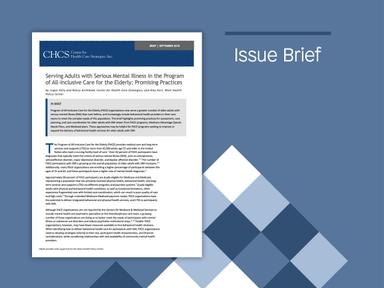
IN BRIEFProgram of All-Inclusive Care for the Elderly (PACE) organizations now serve a greater number of older adults with serious mental illness (SMI) than ever before, and increasingly include behavioral health providers in their care teams to meet the complex needs of this population. This brief highlights promising practices for assessment, care planning, and care coordination for older adults...
Accelerating Mental Health Integration in Primary Care: From Implementation to Sustainable Impact
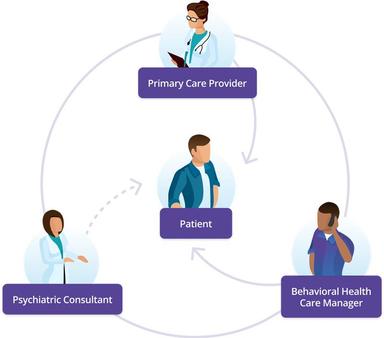
Blog series: This article launches a new series examining mental health care in America and the opportunities to reach more people with effective, timely care. The series will draw on real-world implementation with our partners: Northwestern Medicine, the Meadows Mental Health Policy Institute, and the National Committee for Quality Assurance (NCQA) to explore where the system falls short and how ...
Breaking Down Barriers: The Case for Integrated Behavioral Health

Improving human health is a goal shared by mental healthcare and physical healthcare practitioners. Yet, far too often, these two realms of human health are treated in siloes. We believe that by integrating them, a positive shift in healthcare will occur. Collectively, integration will allow us to work toward achieving the quadruple aim of healthcare reform, which encompasses stronger healthcare o...
Family Caregivers’ Perception and Experience with Medical and Community Services
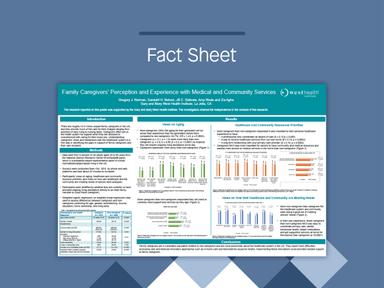
Family caregivers of individuals with cognitive impairments experience significant challenges, with 59.5% being female, averaging 57 years in age, and often having multiple comorbidities (average of 2). They face greater needs for ongoing living assistance, with a statistically significant greater likelihood of requiring such care compared to non-caregivers. This highlights the emotional and logis...
Collaborative Care Model: Transforming Mental Healthcare
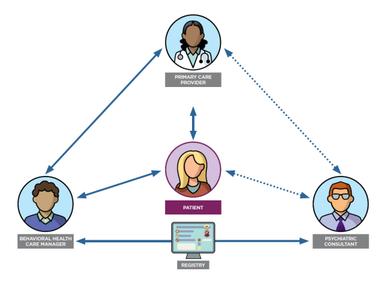
Significantly improving patient outcomes. That’s the goal of the Collaborative Care Model (CoCM): a patient-centered integrated care approach that leverages task sharing and population health strategies to treat common mental health problems in medical settings. We developed the following fact sheet to inform readers about this evidence-based approach to treating common mental health problems. Rea...