
Healthcare Affordability
Understand how a high-priced healthcare system effects Americans and policy solutions that can help them overcome the challenges.
View all in Healthcare Affordability Topic
Feelings Meet Facts: What We See When We Overlay Our Gallup Survey on the City Checkup
Nearly one in four U.S. workers, about 23 million people, say they're staying in a job they want to leave because they're afraid of losing their health insurance.1 Researchers call this job lock, and according to new research from our West Health-Gallup Center on Healthcare in America, it's risen eight percentage points since 2021.1,2 That's a feeling, captured the way we capture feelings through ...
Why Medicare Isn't One-Size-Fits-All: The Medicare Quilt
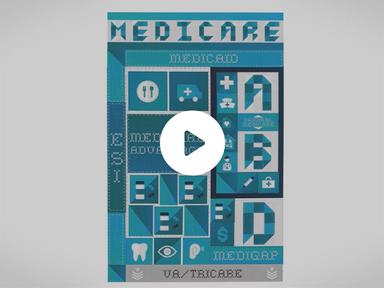
From Original Medicare to Medicare Advantage, Medigap, Part D, and beyond, no two beneficiaries experience Medicare the same way.Medicare is often talked about as if it's a single program, but for the millions of Americans who rely on it, coverage looks more like a quilt than a blanket. Some beneficiaries stay in Original Medicare with Parts A and B. Others add Part D for prescription drugs, or Me...
What Happens When Healthcare Costs Are Out of Reach?

In the infographic below, we illustrate how Americans fall into three categories of healthcare affordability. Each of these categories—or paths—leads to dramatically different outcomes for access to care, financial stability, and overall well-being.Key Takeaways:· A shrinking share of Americans are Cost Secure. Roughly half of U.S. adults (49%) can obtain the healthcare and medicine they need with...
Congressional Committees Shaping Prescription Drug Policy
Prescription drug costs rank among Americans’ top concerns, with four out of five saying prices are too high. Congress has the power to act, but with 46 committees across the House and Senate, knowing which panels hold that power isn’t always obvious. Download West Health’s new guide to learn about the committees best positioned to make a difference.
American Exceptionalism: Why U.S. drug prices are the highest in the world
Americans pay substantially more for prescription drugs than people in other high-income countries, often three to four times as much, even though they use fewer medications and have worse overall health outcomes. This gap has been known for decades, but policy efforts have not significantly reduced prices. The problem is rooted in the structure of the U.S. healthcare system rather than difference...
Prescription Drug Affordability in America: A Growing Crisis
Prescription drug affordability is a growing challenge for millions of Americans. New data show rising concern about the ability to pay for needed medications, with many households already facing situations where they cannot afford prescriptions. These challenges are especially pronounced among lower-income individuals and those with multiple chronic conditions, highlighting persistent gaps in acc...
Key Challenges Women Face that Impact Their Financial Security
Planning for retirement is difficult at any age, but it can be especially challenging for women ages 50 to 64, who are often juggling work, caregiving responsibilities, and rising health expenses associated with an increase in health care needs. These years are also often women’s peak earning years, making this period a critical window to build savings and strengthen financial security. Elder Inde...
Safety Net Programs Don’t Keep Up with Older Adults’ Actual Costs of Living
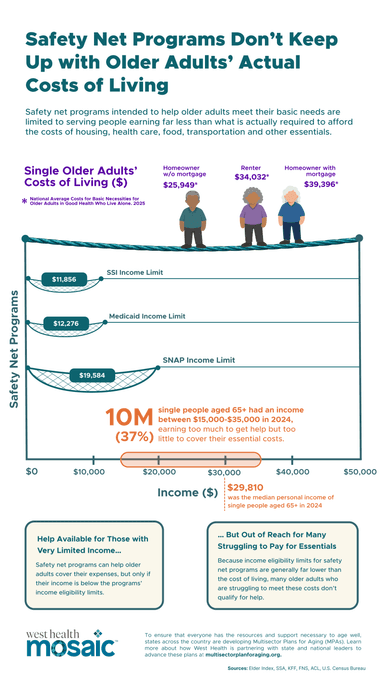
The infographic below illustrates how the income eligibility limits for several major safety net programs compare with the actual cost of living for older adults. While these programs provide critical support for those with the lowest incomes, many older adults who are struggling financially fall outside eligibility thresholds and are unable to access assistance.Key Takeaways• The cost of living i...
How H.R. 1, The One Big Beautiful Bill Act, Reshapes Healthcare for Older Adults
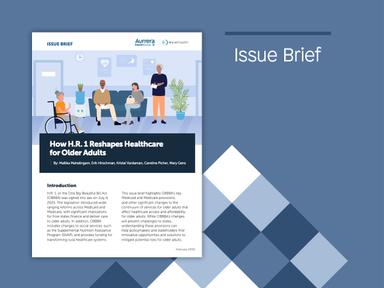
H.R. 1, or the One Big Beautiful Bill Act (OBBBA) was signed into law on July 4, 2025. The legislation introduced wide-ranging reforms across Medicaid and Medicare, with significant implications for how states finance and deliver care to older adults. In addition, OBBBA includes changes to social services, such as the Supplemental Nutrition Assistance Program (SNAP), and provides funding for trans...
Unmet Needs of Older Adults with Military-Based Healthcare Coverage
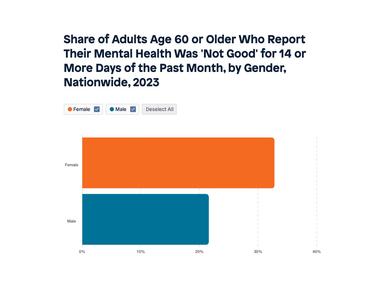
IntroductionThe veteran population is aging rapidly with higher rates of disability compared to non-veterans. The number of veterans age 85 and older is projected to increase by 38% from FY2019 to FY2039, and over 40% of veterans age 65 and older have at least one disability compared to 32% of their non-veteran peers. A large percentage of older adults over 50 have healthcare coverage through a m...