
Opinion Poll: Arizona Voters Want Action on the High Price of Prescription Drugs
Arizona Voters Rally for Medicare Negotiations to Tackle Soaring Prescription Drug Costs, New Poll Shows
September 25, 2018

Five Key Stats
Executive Summary
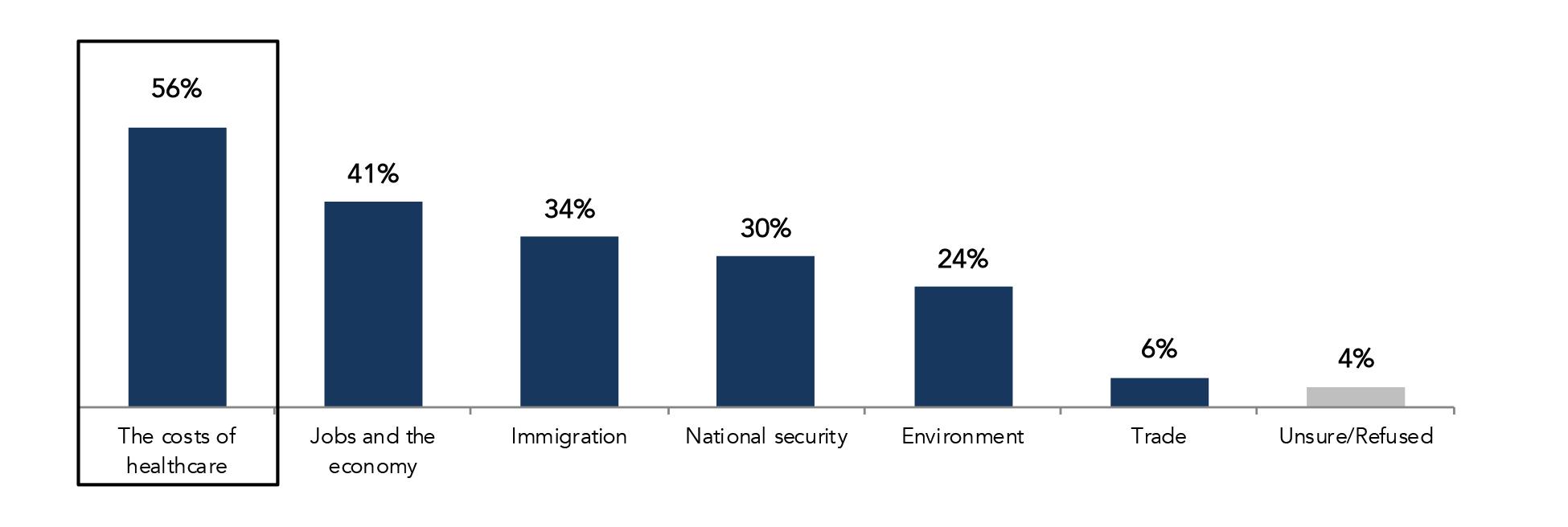
While immigration, jobs and the economy garner headlines across the nation, the rising cost of healthcare has claimed the minds of Arizona voters. The cost of healthcare is the single most important issue facing the country, according to 56% of Arizonans, edging out jobs and the economy (41%) and immigration (34%), according to a scientific opinion poll of 750 Arizona voters, conducted from Aug. 16-23, 2018. In particular, the high cost of prescription drugs weighs heavily on a stunning 80% of Arizona voters.
The poll’s findings, commissioned by the nonprofit, nonpartisan West Health Institute, could have significant repercussions for political candidates. Voters are concerned, and they have said that concern will be reflected at the polls.
Three-quarters (74%) of Arizona voters consider the price of prescription drugs to be unreasonable, and two-thirds said lowering the cost of prescription drugs should be a top priority for congressional candidates. These views cut across party lines, with Democrats, Republicans and independent voters alike expressing their displeasure with the way the president and Congress have dealt with high drug costs and stating that it will factor into their voting choices for congressional candidates.
More than half of voters disapprove of the way President Trump and Republicans in Congress are handling the situation, and half disapprove of the way Democrats are handling it.
Voters also have clear views about potential ways to address the high cost of prescription drugs. According to 87% of all Arizona voters, it’s important for congressional candidates to support allowing Medicare to negotiate directly with prescription drug makers to lower prices. Seven in 10 respondents (72%) said they would be more likely to vote for candidates who have committed to allowing Medicare to do just that.
Currently, the Medicare Modernization Act of 2003 prohibits the government from negotiating directly with drug manufacturers for drugs used by Medicare beneficiaries. President Trump proposed changing this policy during his presidential campaign, but his plan for lowering drug prices, released in May 2018, did not include that proposal. The high price of drugs has even led more than a third (36%) of individuals to forego filling a prescription or to take less than what their doctor prescribed—actions that undermine the health and well-being of Arizonans.
Main Findings
Healthcare Costs Rank Highest Among National Issues to Arizona Voters
Out of six pressing policy issues, the cost of healthcare ranks highest in importance to Arizona voters. More than half, or 56%, say the cost of healthcare is the most important issue facing the country, ahead of those who say jobs and the economy are the most important (41%), immigration (34%), national security (30%), the environment (24%) and trade (6%).
The cost of healthcare is the single most important national issue to Arizona voters
Question: Now I am going to read a list of issues facing the United States. Please listen and let me know which two are most important to you personally?
Vast Majority of Arizona Voters are Concerned About the Cost of Prescription Drugs
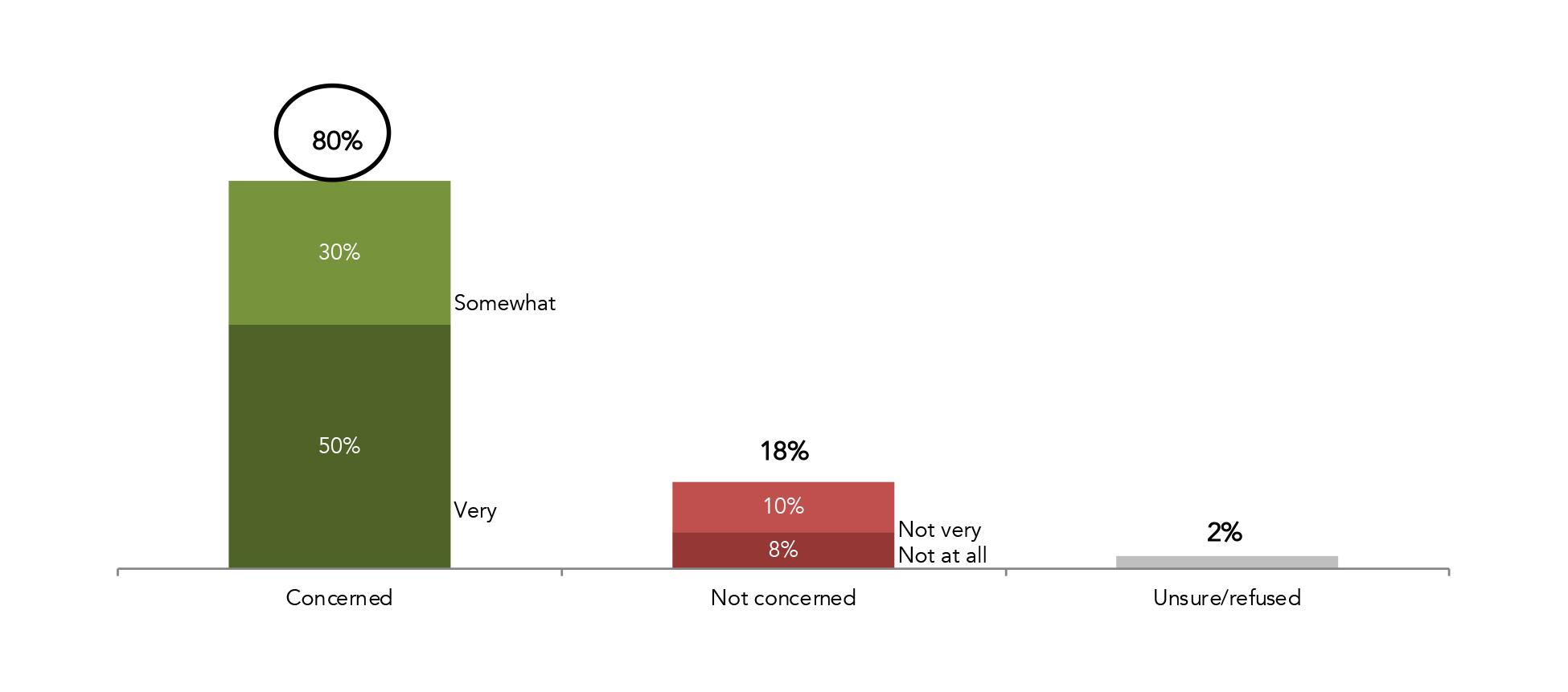
Eighty percent of respondents are worried about the price of prescription drugs. Half of all respondents said they are very concerned about the cost. One in three (30%) are somewhat concerned. Those who were not very or not at all concerned only accounted for 18% of respondents.
80% are concerned about the cost of prescription drugs; a majority (50%) is very concerned
Question: How concerned are you about the cost of prescription drugs? Would you say that you are very concerned, somewhat concerned, not very concerned or not at all concerned?
Drug Costs Strike the Average Arizona Voter as Unreasonable
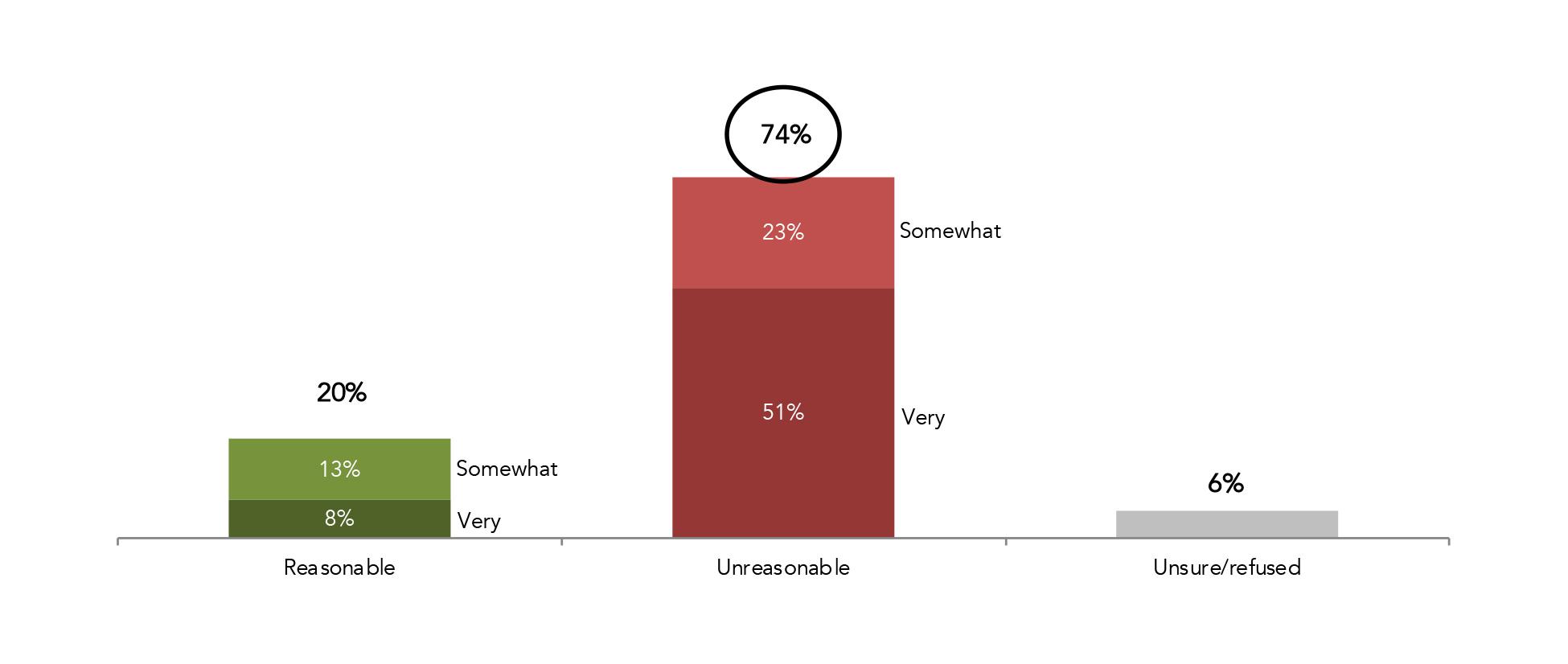
Nearly three-quarters of those polled (74%) feel the price of prescription drugs is unreasonable, with 51% saying the costs are very unreasonable. These sentiments cut across party lines: 80% of Democrats feel the costs are unreasonable, while 70% of Republicans and 75% of independent voters feel the same.
Nearly three-quarters (74%) feel the cost of prescription drugs in the U.S. is unreasonable
Question: Do you feel the cost of prescription drugs in the United States is reasonable or unreasonable? And would you say that the costs of prescription drugs in the United States is very (reasonable/unreasonable) or somewhat (reasonable/unreasonable)?
Lowering Drug Prices Should be a Top Priority for Congressional Candidates
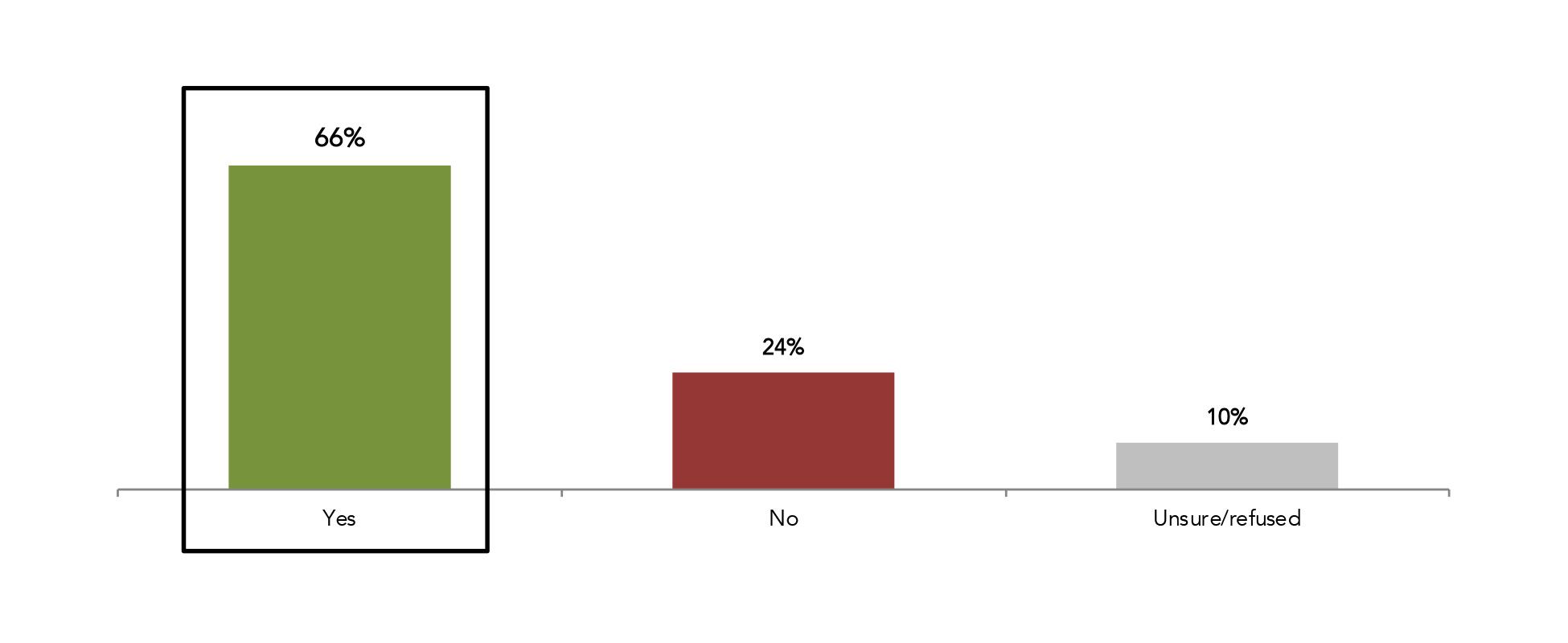
A supermajority (66%) of respondents believe that reining in drug prices should be a top priority for congressional candidates. This sentiment crosses party lines: 59% of Republicans, 79% of Democrats and 61% of independent voters agreed.
A supermajority (66%) feels that lowering drug prices should be a top priority for candidates running for Congress
Question: Do you feel that lowering drug prices should be a top priority for candidates running for Congress in your state this year?
Respondents Strongly Supportive of Allowing Medicare to Negotiate for Lower Drug Prices
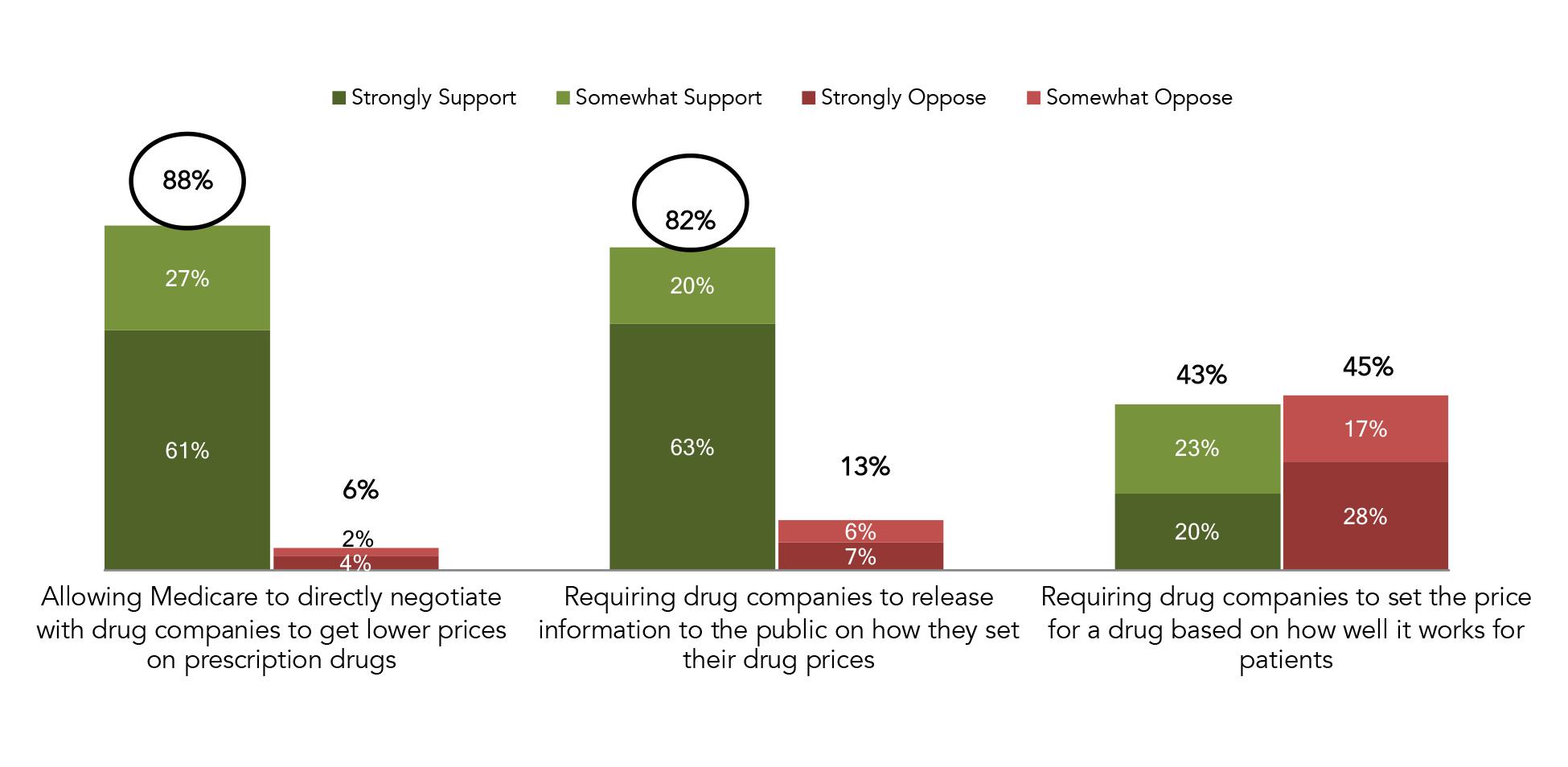
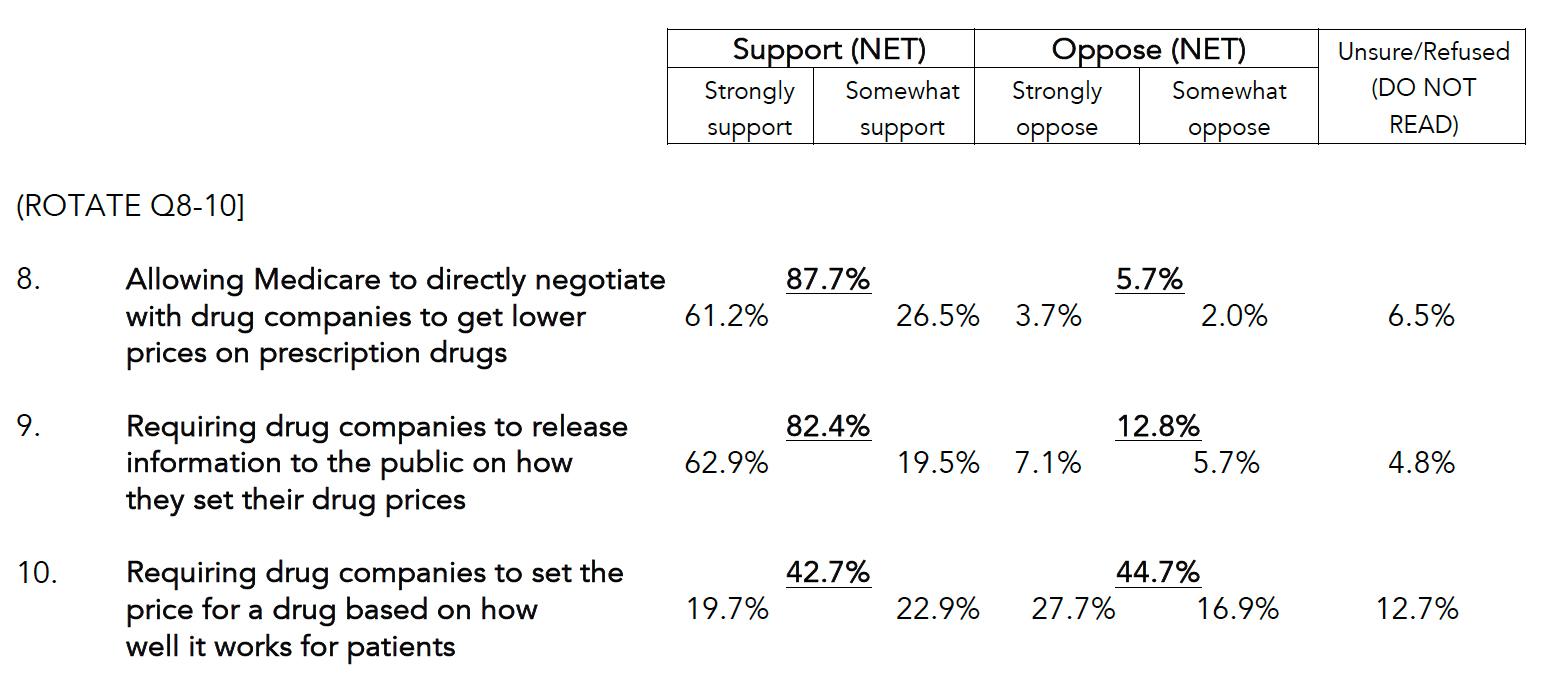
When asked about possible ways to reduce drug costs, 88% of respondents support allowing Medicare to negotiate directly with drug companies, 82% support requiring drug companies to release information to the public on how they set their prices, and 43% support requiring drug companies to set the price for a drug based on how well it works for patients.
What are the most popular ways to reduce the cost of prescription drugs?
Question: Now I am going to read you a list of possible ways to reduce the cost of prescription drugs. Please listen to each and let me know if you strongly support, somewhat support, somewhat oppose or strongly oppose each one.
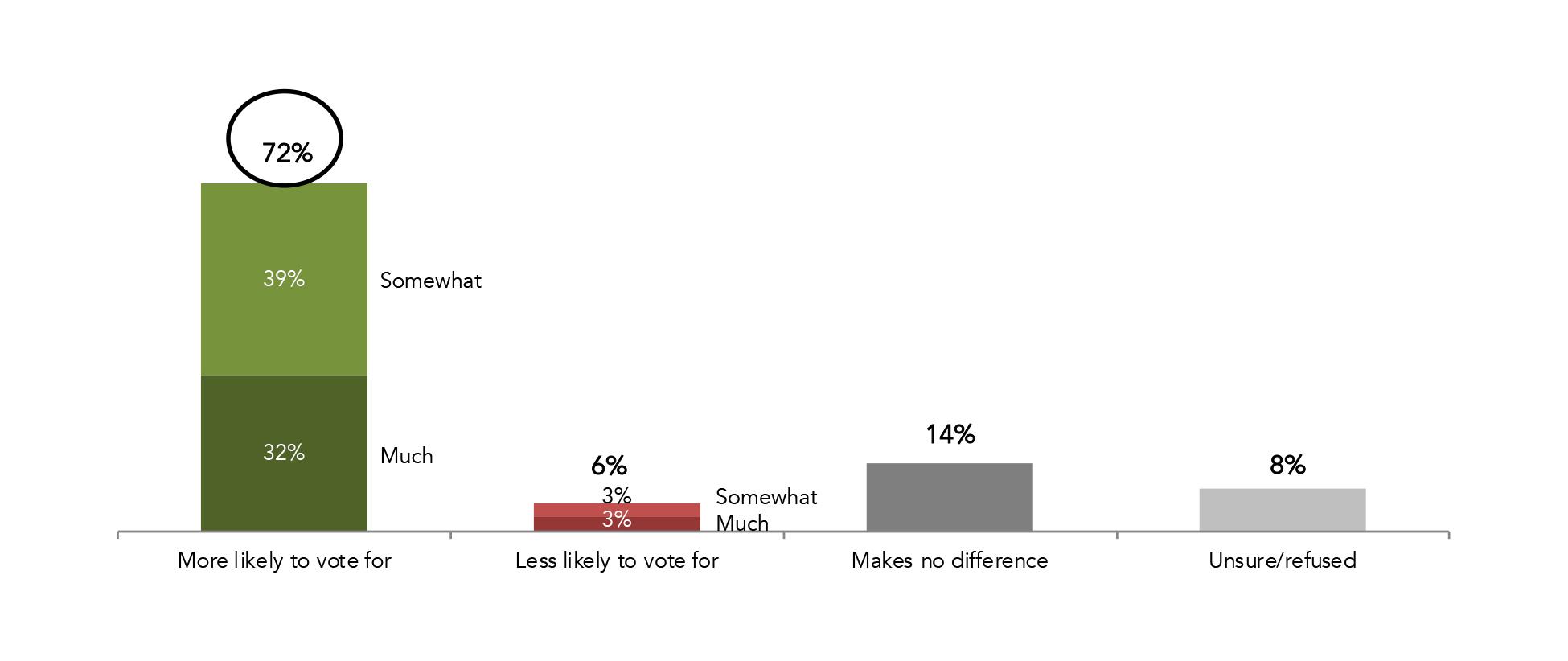
More Than 70% of Arizona Voters Say They Would Be More Likely to Support a Candidate Who Wants Medicare to Negotiate Lower Prices
Nearly three-quarters of respondents—across political parties—said a stance in favor of letting Medicare negotiate directly with drug companies could influence their vote: 72% of respondents said they would be more likely to vote for a candidate who committed to allowing Medicare to negotiate directly with drug companies. This is a sentiment that pervades all parties, including 68% of Republicans who would be more likely to vote for a candidate who committed to allowing Medicare to negotiate directly, with 75% of Democrats and 77% of independents agreeing.
72% would be more likely to vote for a candidate if he/she committed to allowing Medicare to negotiate directly with drug companies
Question: Would a Congressional candidate’s commitment to allow Medicare to negotiate directly with drug companies to get lower prices on prescription drugs make you more likely or less likely to vote for that candidate? And would you say that you are much [more likely/less likely] or somewhat [more likely/less likely]?
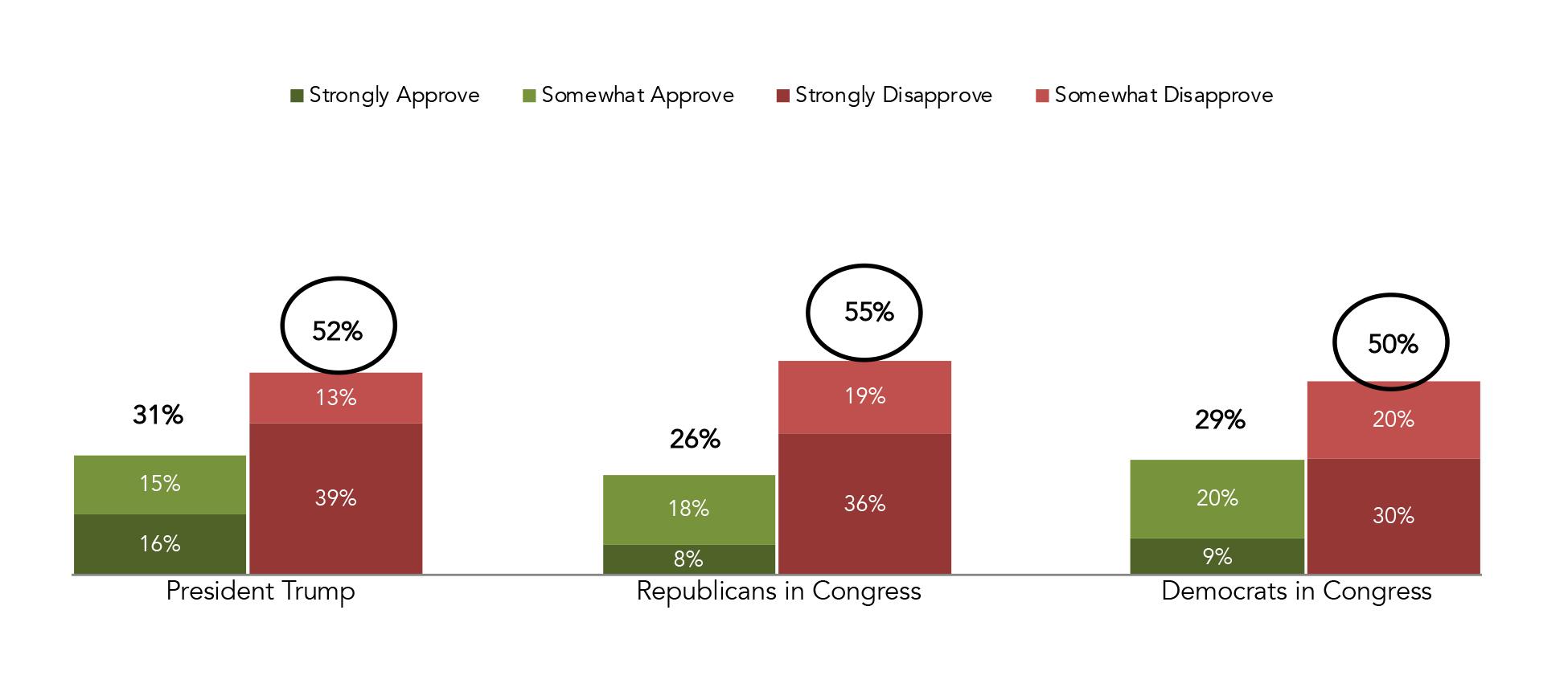
Respondents Disapprove of the Way the President and Both Parties in Congress are Handling Drug Costs
More than half of respondents (52%) disapprove of the way President Trump is handling the cost of prescription drugs; 55% disapprove of the way congressional Republicans are handling the issue, and 50% disapprove of congressional Democrats’ handling of high drug costs.
Voters disapprove of how the president and Democrats and Republicans in Congress are handling drug costs
Question: Would you say that you strongly approve, somewhat approve, somewhat disapprove or strongly disapprove of the way each of the following is handling prescription drug costs?
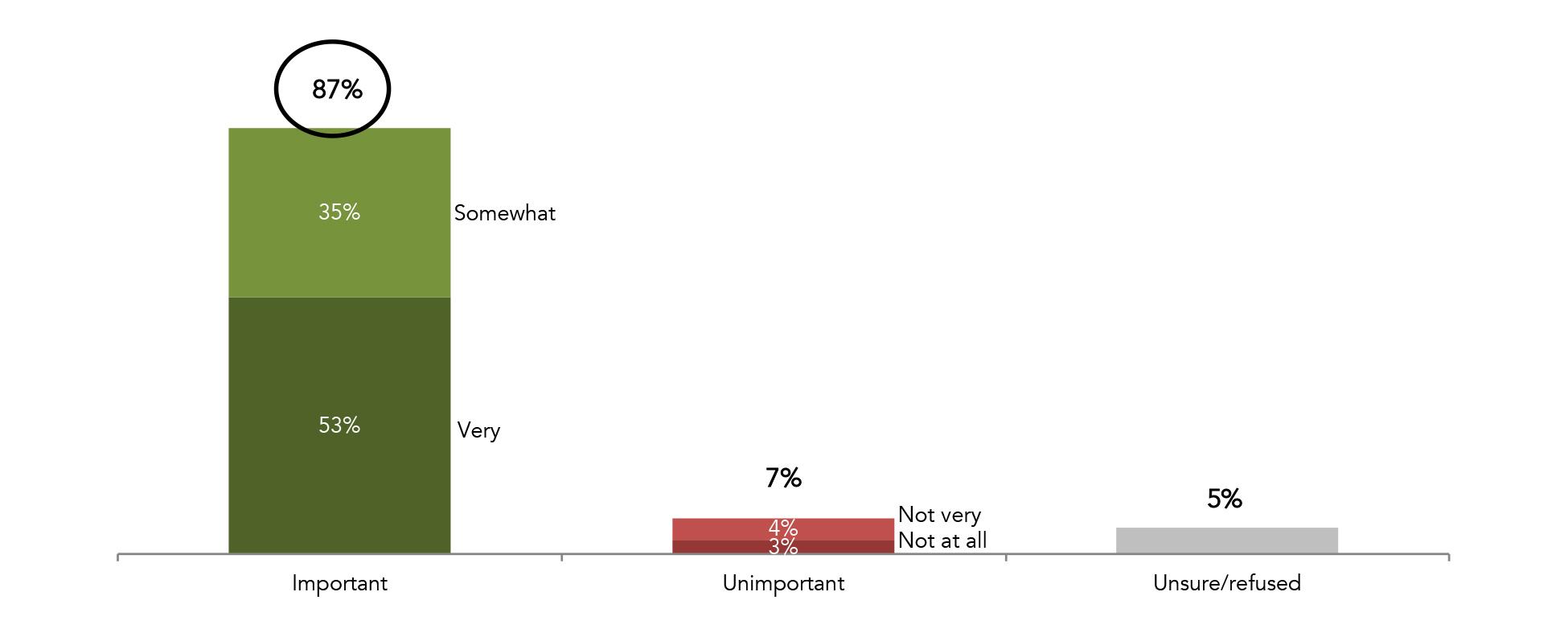
Nearly Nine out of 10 Respondents Say Congressional Candidates Should Support Allowing Medicare to Act to Lower Prescription Drug Prices
It’s important for candidates running for Congress to support allowing Medicare to negotiate directly with drug companies in an effort to bring down prices, say 87% of Arizona voters. That includes 84% of Republicans, 91% of Democrats and 88% of independent voters.
Nearly nine out of 10 (87%) voters say that it’s important for congressional candidates to support allowing Medicare to negotiate directly with drug companies
Question: How important is it for candidates running for Congress to support allowing Medicare to negotiate directly with drug companies to lower prescription drug prices? Would you say that it is very important, somewhat important, not very important or not at all important?
Eight in 10 Respondents Want President Trump to Work Toward Allowing Medicare to Negotiate Directly
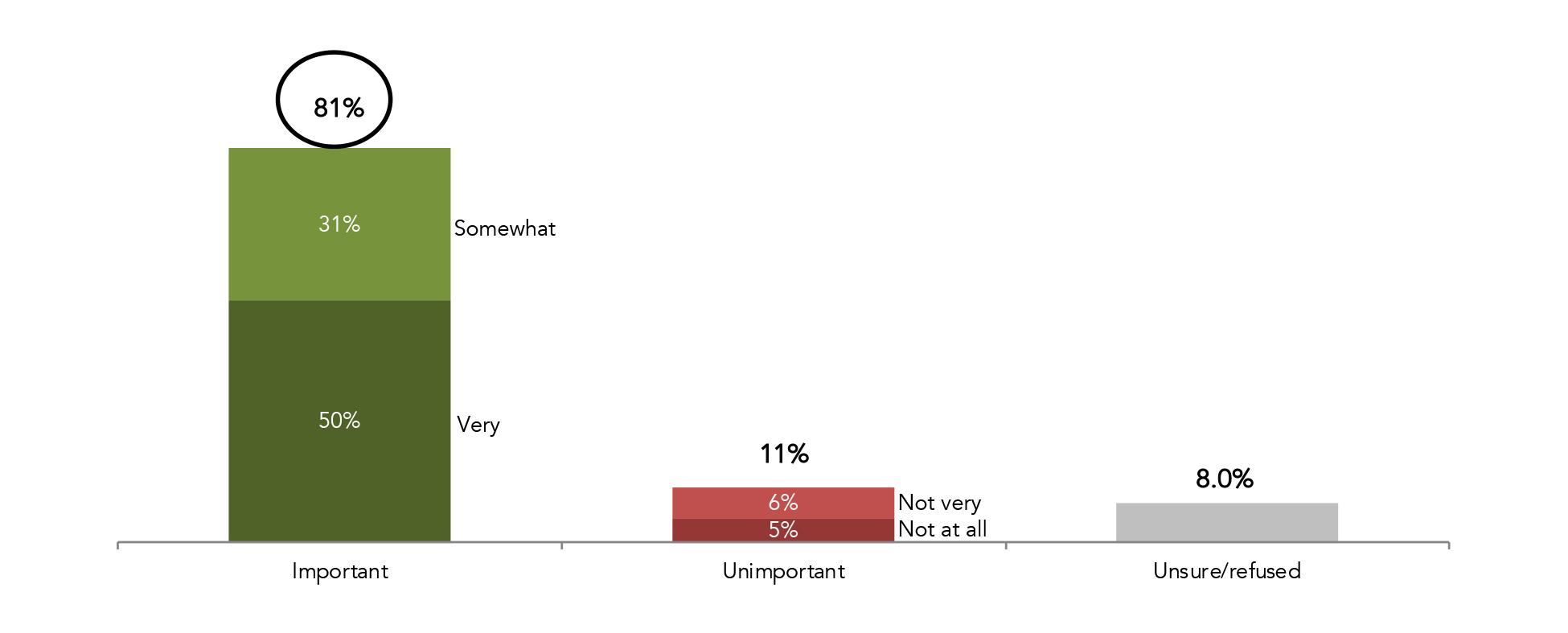
Eight in 10 (81%) voters think the president should also work toward allowing Medicare to negotiate directly with drug companies to lower prescription drug prices.
81% say that it is important for President Trump to work towards allowing Medicare to negotiate directly with drug companies
Question: How important is it for President Trump to work towards allowing Medicare to negotiate directly with drug companies to lower prescription drug prices? Would you say that it is very important, somewhat important, not very important or not at all important?
More Than a Third of Respondents Have Not Taken Prescribed Drugs Because of Cost
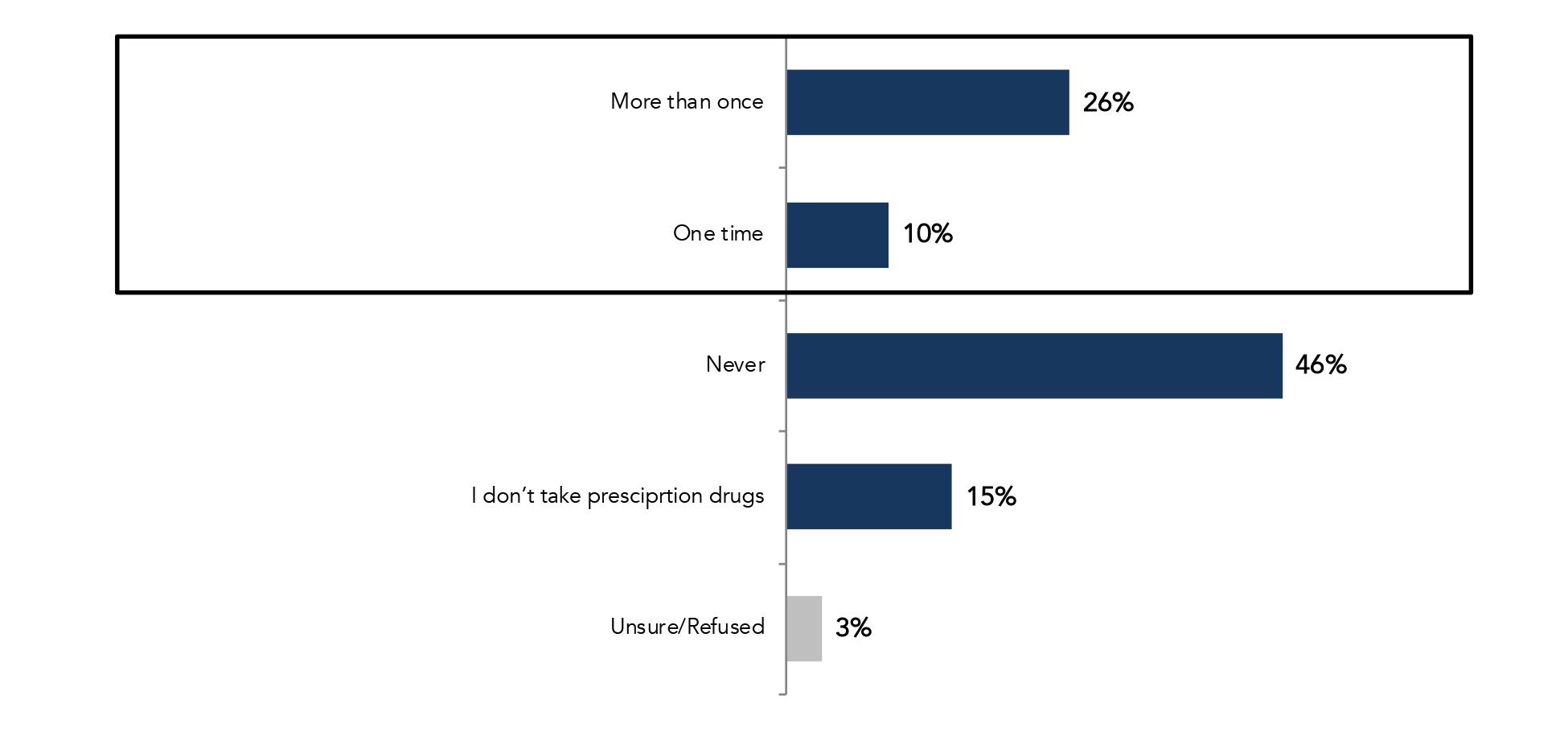
More than a third (36%) of respondents said that in the last year, they have either not filled a prescription or have taken less than the prescribed amount because of the cost. Taking these measures is a repeat occurrence for 26% of those who responded positively.
Over one-third (36%) have not followed prescription instructions at least once within the past year because of cost
Question: In the past 12 months, how often have you not filled a prescription or taken less than the prescribed dose of medicine because of the cost?
Conclusion
Heading into the midterm elections in November, the high cost of prescription drugs is a top- of-mind issue for Arizona voters. Most voters believe prescription drug prices are unreasonable and think Congress and the president should play a stronger role in lowering them.
As these results show, the cost of prescription drugs will figure significantly in voters’ minds as they head to the polls this November. Candidates seeking to gain favor with voters should take the issue of healthcare and prescription drug costs seriously, while laying out a strategy to work to bring them down—specifically, committing to allowing Medicare to negotiate directly with drug companies to lower the cost of drugs.
Methodology
This poll reflects a telephone survey of 750 voters statewide in Arizona. The poll was conducted by J Wallin Opinion Research for West Health Institute with a margin of error of +/- 3.6%. The survey was conducted from August 16 through August 23, 2018.
Toplines
Arizona Statewide Voter Survey
Interview Schedule
Field Dates: Friday, August 16 through Thursday, August 23, 2018
Universe: Arizona
Language: English, Spanish
N = 750
Margin of Error = +/-3.6%
1. In your own words, what do you feel is the most important issue facing your community today? [PROBE HEAVILY, CAPTURE AND CODE]: | |
|---|---|
Crime/Public Safety/Drugs | 12.8% |
Jobs/Economy | 11.6% |
Education | 8.7% |
Immigration | 7.6% |
Health Care | 7.5% |
Government | 7.5% |
Traffic/Transportation | 3.5% |
Environmental | 2.9% |
Water | 2.8% |
Homelessness | 2.7% |
Poverty | 1.9% |
Taxes | 1.5% |
Affordable Housing | 1.3% |
Secuirty | 0.9% |
Growth/Population | 0.8% |
Other | 8.0% |
None/Nothing | 3.2% |
Don't Know | 7.1% |
Refuse | 1.7% |
2. Now I am going to read a list of issues facing the United States. Please listen and let me know which two are most important to you personally? [ROTATE] | |
|---|---|
The costs of healthcare | 56.4% |
Jobs and the economy | 40.9% |
Immigration | 34.4% |
National security | 30.1% |
Environment | 23.5% |
Trade | 6.1% |
Unsure [DO NOT READ] | 3.3% |
Refused [DO NOT READ] | 0.9% |
3. How concerned are you about the cost of prescription drugs? Would you say that you are very concerned, somewhat concerned, not very concerned or not at all concerned? | |
|---|---|
Concerned (NET) | 79.6% |
Very concerned | 50.1% |
Somewhat concerned | 29.5% |
Not concerned (NET) | 17.7% |
Not at all concerned | 50.1% |
Not very concerned | 29.5% |
Unsure [DO NOT READ] | 2.5% |
Refused [DO NOT READ] | 0.1% |
Would you say that you strongly approve, somewhat approve, somewhat disapprove or strongly disapprove of the way each of the following is handling prescription drug costs?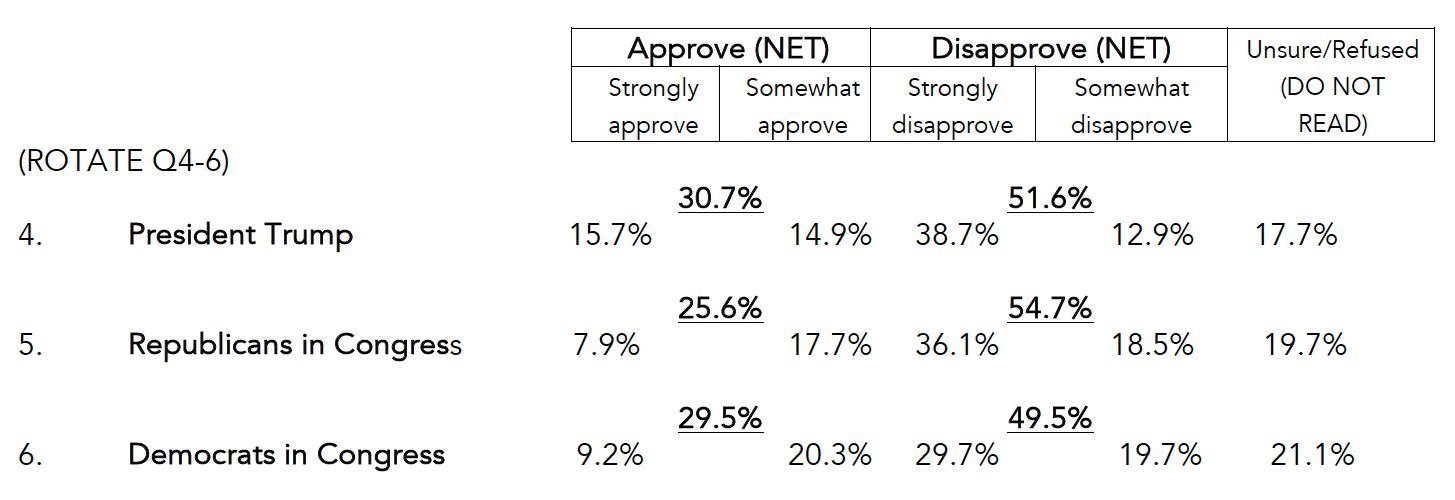
7. Do you feel the cost of prescription drugs in the United States is reasonable or unreasonable? [IF REASONABLE/UNREASONABLE] And would you say that the costs of prescription drugs in the United States is very (reasonable/unreasonable) or somewhat (reasonable/unreasonable)? | |
|---|---|
Reasonable (NET) | 20.4% |
Very reasonable | 7.9% |
Somewhat reasonable | 12.5% |
Unreasonable (NET) | 74.0% |
Very unreasonable | 51.3% |
Somewhat unreasonable | 22.7% |
Unsure [DO NOT READ] | 5.2% |
Refused [DO NOT READ] | 0.4% |
Now I am going to read you a list of possible ways to reduce the cost of prescription drugs. Please listen to each and let me know if you strongly support, somewhat support, somewhat oppose or strongly oppose each one.
11. Do you feel that lowering drug prices should be a top priority for candidates running for Congress in your state this year? | |
|---|---|
Yes | 66.4% |
No | 24.0% |
Unsure [DO NOT READ] | 9.3% |
Refused [DO NOT READ] | 0.3% |
12. How important is it for candidates running for Congress to support allowing Medicare to negotiate directly with drug companies to lower prescription drug prices? Would you say that it is very important, somewhat important, not very important or not at all important? | |
|---|---|
Important (NET) | 87.3% |
Very important | 52.7% |
Somewhat important | 34.7% |
Unimportant (NET) | 7.3% |
Not at all important | 2.9% |
Not very important | 4.4% |
Unsure [DO NOT READ] | 4.7% |
Refused [DO NOT READ] | 0.7% |
13. Would a Congressional candidate’s commitment to allow Medicare to negotiate directly with drug companies to get lower prices on prescription drugs make you more likely or less likely to vote for that candidate? [RECORD] [IF MORE LIKELY OR LESS LIKELY>>>] And would you say that you are much [more likely/less likely] or somewhat [more likely/less likely]? | |
|---|---|
More likely to vote for [NET] | 71.5% |
Much more likely | 32.1% |
Somewhat more likely | 39.3% |
Makes no difference [DO NOT READ] | 14.0% |
Less likely to vote for [NET] | 5.7% |
Much less likely | 3.1% |
Somewhat less likely | 2.7% |
Unsure [DO NOT READ] | 7.9% |
Refused [DO NOT READ] | 0.9% |
14. How important is it for President Trump to work towards allowing Medicare to negotiate directly with drug companies to lower prescription drug prices? Would you say that it is very important, somewhat important, not very important or not at all important? | |
|---|---|
Important (NET) | 80.8% |
Very important | 49.6% |
Somewhat important | 31.2% |
Unimportant (NET) | 11.2% |
Not at all important | 4.8% |
Not very important | 6.4% |
Unsure [DO NOT READ] | 6.8% |
Refused [DO NOT READ] | 1.2% |
15. In the past 12 months, how often have you not filled a prescription or taken less than the prescribed dose of medicine because of the cost? | |
|---|---|
More than once | 26.4% |
One time | 9.5% |
Never | 45.7% |
I don’t take prescription drugs | 15.3% |
Unsure [DO NOT READ] | 2.5% |
Refused [DO NOT READ] | 0.8% |
16. And finally, for demographic purposes only, which of the following best describes your ethnic background? | |
|---|---|
Latino/Hispanic | 19.7% |
White/Caucasian | 64.0% |
Black/African American | 3.9% |
Asian | 2.3% |
Mixed race | 4.4% |
Something else | 3.3% |
Refused [DO NOT READ] | 2.4% |
ABOUT THE WEST HEALTH INSTITUTE
Solely funded by philanthropists Gary and Mary West, West Health includes the nonprofit and nonpartisan Gary and Mary West Health Institute and Gary and Mary West Foundation in San Diego and the Gary and Mary West Health Policy Center in Washington, DC. These organizations are working together toward a shared mission dedicated to lowering healthcare costs and enabling seniors to successfully age in place with access to high-quality, affordable health and support services that preserve and protect their dignity, quality of life, and independence. For more information, visit westhealth.org and follow @westhealth.
For more information about the poll, contact hccosts@westhealth.org.
Downloads
WHI-Arizona-Poll-Report-FINAL.pdf
Download