




Executive Summary
The U.S. healthcare system faces a growing crisis: an aging population with increasing care demands amid severe workforce shortages. While adults age 65 and older currently make up less than a fifth of the population, they drive 36% of spending on healthcare—the highest of any age group. Furthermore, older adults are expected to outnumber children under the age of 18 for the first time in U.S. history by 2034, further widening the gap between patient needs and provider availability. The AAMC projects a shortage of up to 124,000 physicians by 2034, and a shortage of 27,000 geriatricians alone in 2025.3 Direct care faces similar challenges, with shortages expected to surpass 100,000 direct care professionals by 2030 and turnover rates exceeding 80%.
The growing disconnect between demand for older patient care and the shrinking healthcare workforce is made worse by pervasive ageism. Aging is often framed as something to resist or conceal, fostering both external bias and internalized shame. A University of Michigan poll found that 93% of older adults routinely experience ageist stereotypes, and 65% report regular exposure to media or messaging that suggest older adults are “unattractive or undesirable.” Even the projected increase in Americans 65 and older over the next ten years has been dubbed “the gray tsunami.” Beyond perception, ageism has tangible costs—the Yale School of Public Health estimates that ageism costs patients an additional $63 billion per year in healthcare spending.
“Of all the ‘-isms’ that are out there, one of the most ubiquitous and silent is ageism. We have very negative perspectives of aging. It’s all about decline, all the things you lose as you age. If we don’t address this, we are not tapping into the wisdom, the experience, the intergenerational opportunity, and better health.”
Dr. Charlotte S. Yeh, Former Chief Medical Officer, AARP
“The [clinician]-patient relationship is sacred. It’s eroding in large part because [clinicians] just don’t have the time.”
Dr. Andy Wagner, Chief Medical Officer, Affineon
Summary of Framework for Understanding Barriers and Opportunities in Older Patient Care
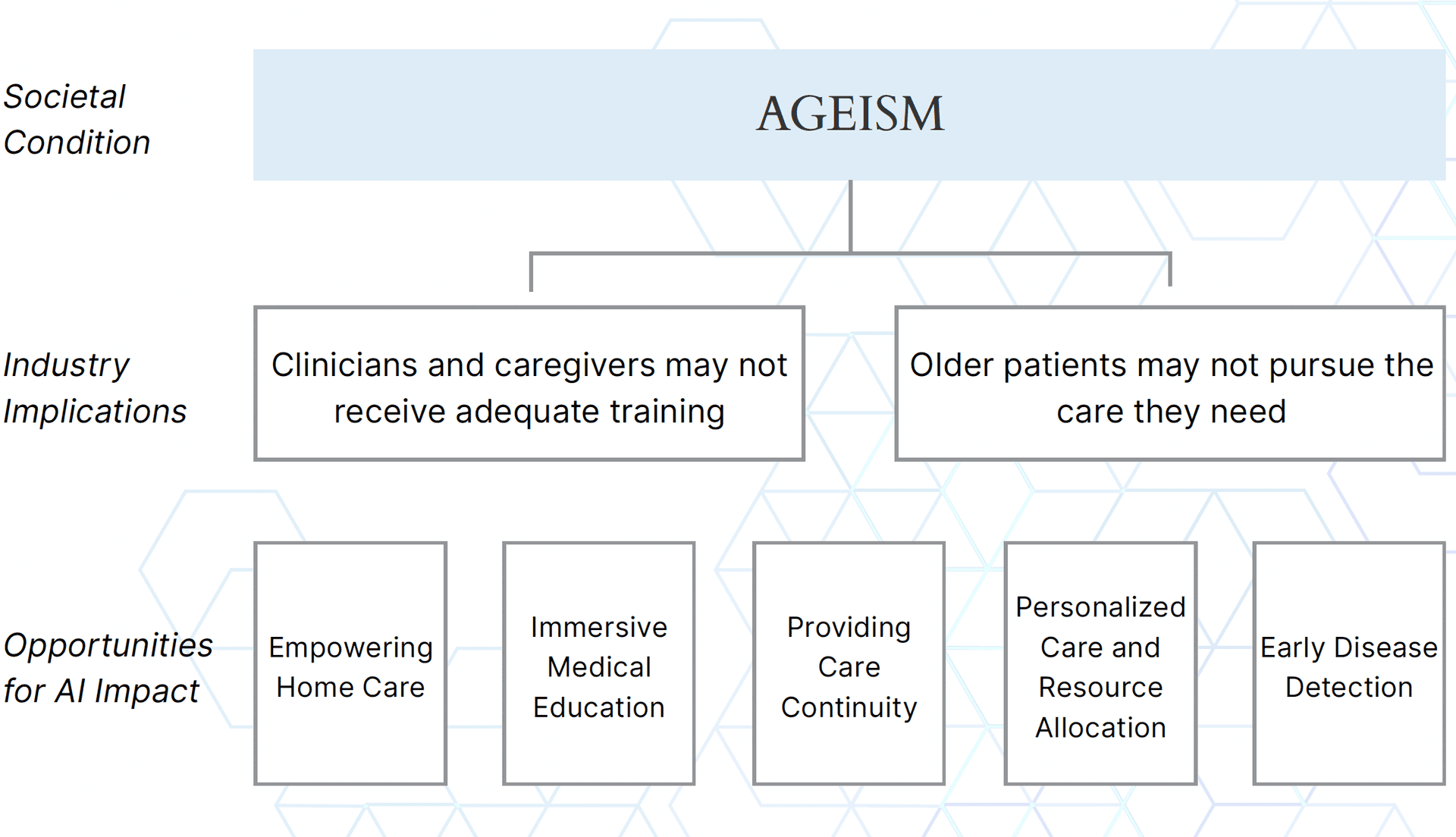
Societal attitudes toward aging affect both older adults’ ability to receive the care they need and the healthcare workforce’s ability to meet their needs. AI presents an opportunity to bridge this gap, enhancing both patient outcomes and provider capabilities. This can be understood across three levels of influence:
Image 1: Framework for Understanding Barriers and Opportunities in Older Patient Care
Industry Implications
Despite the wide variability in how people age, healthcare and society often fail to recognize these differences, instead viewing aging with discomfort and embarrassment. When ageism permeates healthcare delivery, it affects how healthcare workers provide care and how older patients seek it—often leading to unmet patient needs.
“The healthcare workforce is so often focused on fixing things. But aging is different, it’s about navigating a new way of life. Healthcare should be cradle to grave for everyone.”
Ramsey Alwin, President and CEO, The National Council on Aging
Opportunities for AI Impact
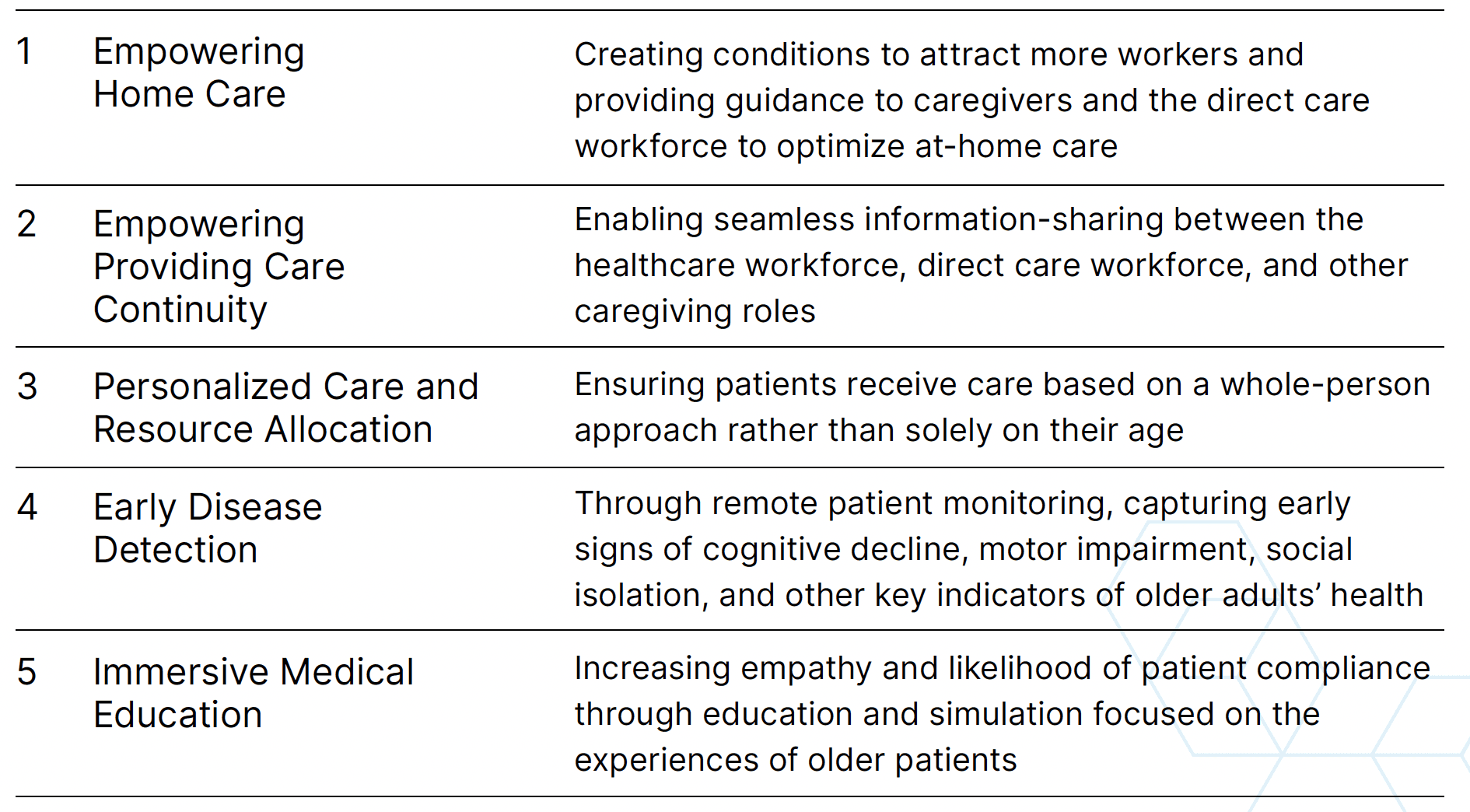
Technological innovation presents a critical opportunity to support the healthcare workforce amid growing shortages, while improving health outcomes for older patients. Artificial intelligence (AI) offers a versatile range of applications to address healthcare’s most pressing challenges, including more personalized and proactive care for older adults. AI will not replace the human connection that is integral to older patients’well-being, but will serve as a tool to better equip healthcare providers in meeting older patients’ unique needs. In doing so, AI can help alleviate the strain of workforce shortages and empower patients to confidently manage their health. This report highlights five key opportunities for AI to enhance the care of older adults:
Additional Considerations
As described in this report’s predecessor, The Future of the Healthcare Workforce: Exploring How AI will Augment Delivery of Care in the United States, technology serving the healthcare ecosystem must account for the industry’s complexity, high level of regulation that often varies state by state, and need for interoperability. Beyond these considerations, two industry perspectives will expedite the effective use of AI tools in supporting healthcare for older patients:
The applications of AI are rapidly changing, revealing a need for evaluation criteria that can remain relevant for future iterations of AI tools. To ensure the resilience of such tools, AI solutions that support the care of older adults should be developed according to the following criteria:
Introduction
American society is deeply anti-aging. Youth is idolized, while growing older is often framed as a problem to solve rather than a natural process. From skincare commercials to workplace culture, the message is clear: aging should be delayed, hidden, or fought against. Products promising to “reverse” aging flood the market, reinforcing the idea that looking young is the ultimate goal.
The media play a major role in shaping this negative perception of aging. Older characters in movies and TV shows are often portrayed as frail, forgetful, or out of touch.10 These portrayals reinforce the idea that aging is something to be feared rather than embraced, creating barriers for older individuals that make it harder for them to be seen as valuable contributors to society. Ageism also permeates healthcare, the effect of which is exacerbated by the fact that people over the age of 65 utilize care more than their younger peers.11 This bias has direct consequences:
“The reality is as all of us are living very non-linear, multi-stage lives today. We no longer spend a third of our years growing up and learning, a third of our years working and building a family, and a third of our years retiring and going off into the sunset and enjoying leisure. Instead, our education journey, our caregiving journey, and our work journey all have ebbs and flows.”
Ramsey Alwin, President and CEO, National Council on Aging
Societal Conditions and Industry Challenges
Against these headwinds, demand for healthcare services among older Americans is growing much faster than the available supply, with some 11,400 Americans turning 65 every day. As of 2022, there were 57.8 million people aged 65 or older in the U.S., representing 17.3% of the population. Older adults will continue to make up a larger proportion of patients across healthcare settings, exacerbating the existing strain on the healthcare workforce. Furthermore, the growing preference of older adults to age in their homes is similarly increasing pressure on the direct care workforce. A 2021 study by AARP found that 77% of adults over 50 would prefer to age at home; this preference aligns with the nationwide decrease in nursing home utilization. With such a large proportion of older adults planning to receive care in their homes, infrastructure to empower the healthcare workforce in meeting this demand will be critical.
Opportunities for Impact
In summary, the primary challenges in providing care to older patients include:
Technology plays a critical role to help address the challenges that older patients face when navigating today’s healthcare system, from artificial intelligence (AI) systems that automate common tasks to remote monitoring and predictive analytics that forecast disease and improve outcomes. These kinds of opportunities for AI to assist with providing care to this age demographic present an opportunity to improve efficiency and quality of care for older adults. However, to fully realize the potential of AI in this realm, it is crucial that these technologies are fully integrated into existing healthcare and direct care practices and that they are designed to work in tandem with, and support, human healthcare providers.
Use Case 1: Empowering Home Care
The home care industry is one of the fastest-growing segments of healthcare, with employment of home health and personal care aides projected to increase by 21% through 2033 according to the U.S. Bureau of Labor Statistics. That places direct care among the fastest-growing occupations in the country for the years ahead, driven by increasing demand from an aging population and a healthcare ecosystem unable to meet the needs of all patients in existing facilities. Home care has also been found to improve outcomes and reduce re-hospitalization rates, particularly for older individuals who may have limited mobility and struggle to travel to and from appointments.
While more and more patients prefer to remain at home as they age, there remains a shortage in the direct care workforce and varying levels of knowledge and training among these roles. By some estimates, there could be as many as 4.6 million unfilled positions for home health aides by 2032, with low pay, unpredictable work schedules, and limited career mobility commonly cited as reasons for the continued shortfall.17 Family members often assume the responsibility of caregiving for relatives, but they are rarely formally trained and often attempt to navigate these responsibilities from a distance or while juggling other work and family obligations.
Description
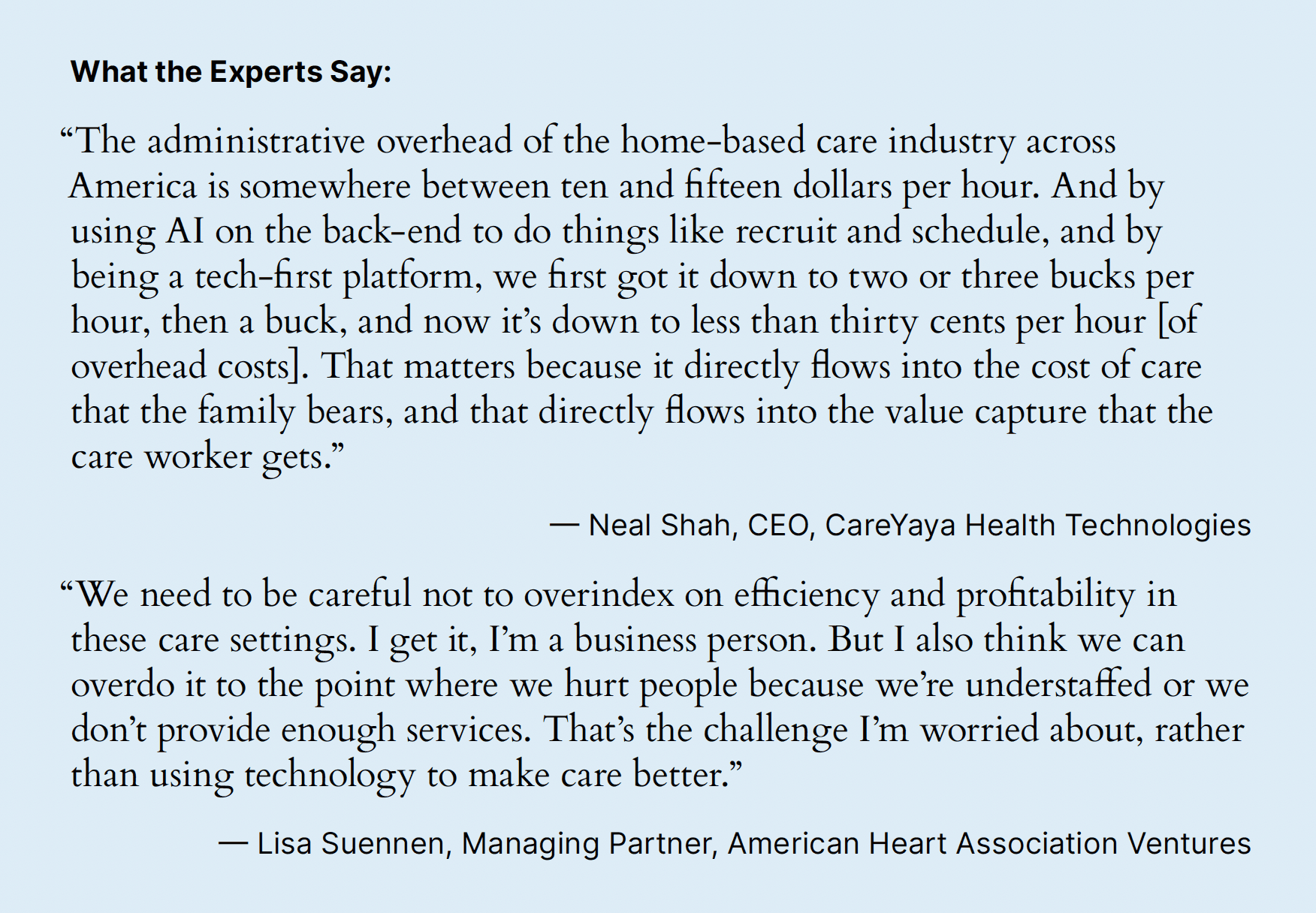
AI can augment traditional home care by improving efficiency and enhancing the quality of patient support. By automating administrative tasks such as scheduling, it reduces the time and effort required for manual coordination, lowering overhead costs and allowing direct care to focus more on patient care. Additionally, AI can synthesize data from disparate sources—such as medical records, real-time health monitoring devices, and caregiver notes—to create a comprehensive and unified profile of a patient. This holistic view enables home care workers to deliver more consistent, high-quality care and helps family members stay informed and actively involved in managing their loved one’s well-being.
Key Benefits
Key Consideration
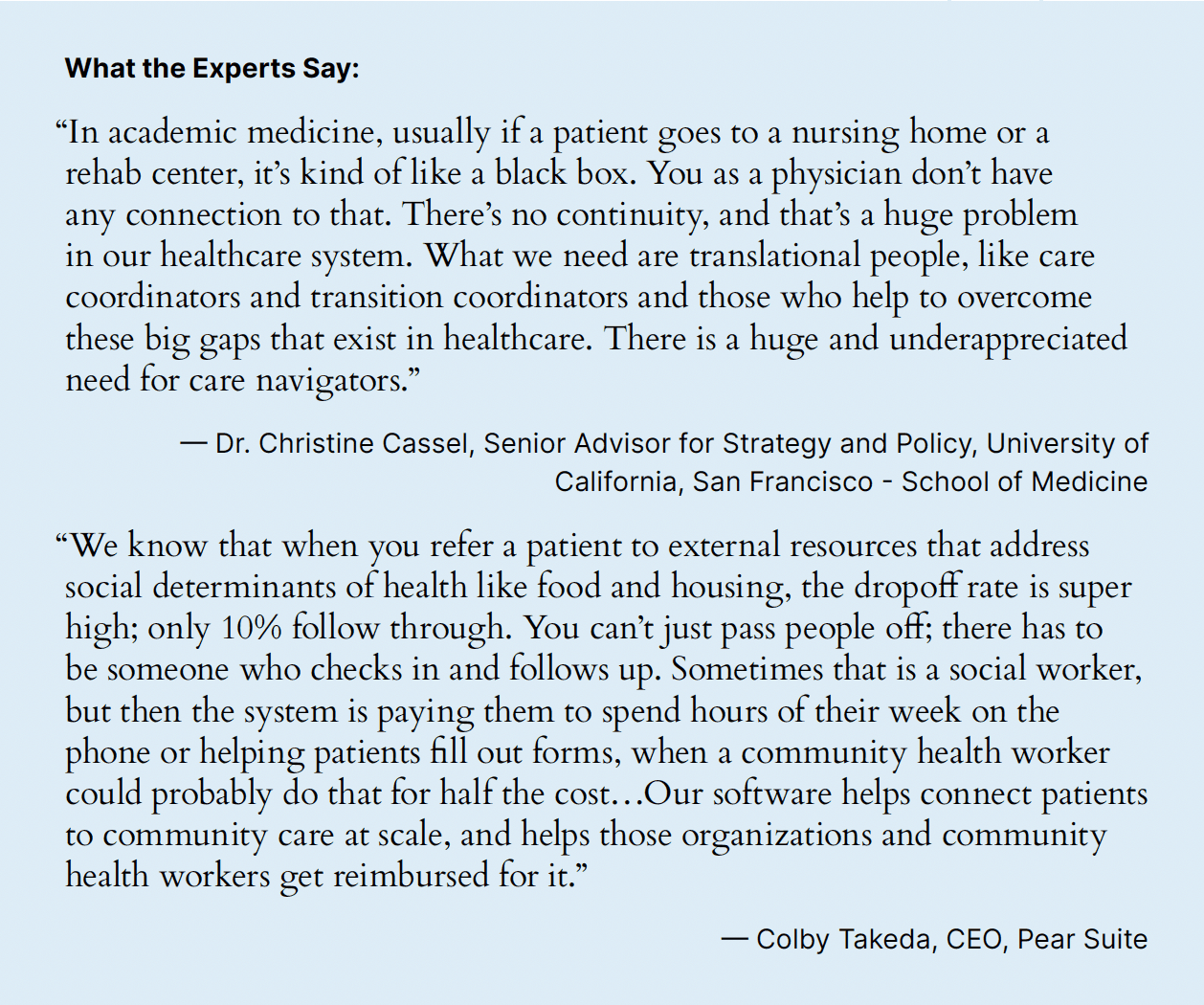
Use Case 2: Care Continuity
Supporting the future healthcare workforce will require bridging the gap between the institutional healthcare workforce, the direct care workforce, and other caregiver roles. Without alignment and communication among different members of a patient’s care team, healthcare providers are left with incomplete information that can lead to redundant care, unnecessary tests, and inefficient management of comorbidities. Overall, care suffers and patient outcomes decline as a result; a 2018 study found an association between strong continuity of care and reduced all-cause mortality, and another in 2023 found a link between fragmented care and poor outcomes for patients with chronic illnesses.
Such communication barriers typically arise at transitions between different sites of care. Despite the best efforts of all involved, information and treatment plan details can be lost between the hospital, post-acute care, and home. These challenges have only been exacerbated by the ongoing loss of primary care providers, changes in health insurance care requirements, and the rise of remote care and telehealth services.
Description
AI can help ensure care plans, medication compliance, and other dimensions of care are tracked and preserved across providers, no matter where they are physically located. Technology can enable critical coordination in bringing the different members of a patient’s care team together, ordering services, tracking progress, and updating treatment plans. Automating care continuity activities further lifts the burden of communication from the healthcare and direct care workforces, allowing them to focus more of their time on direct patient care.
Key Benefits
Key Considerations
Use Case 3: Personalized Care and Resource Allocation
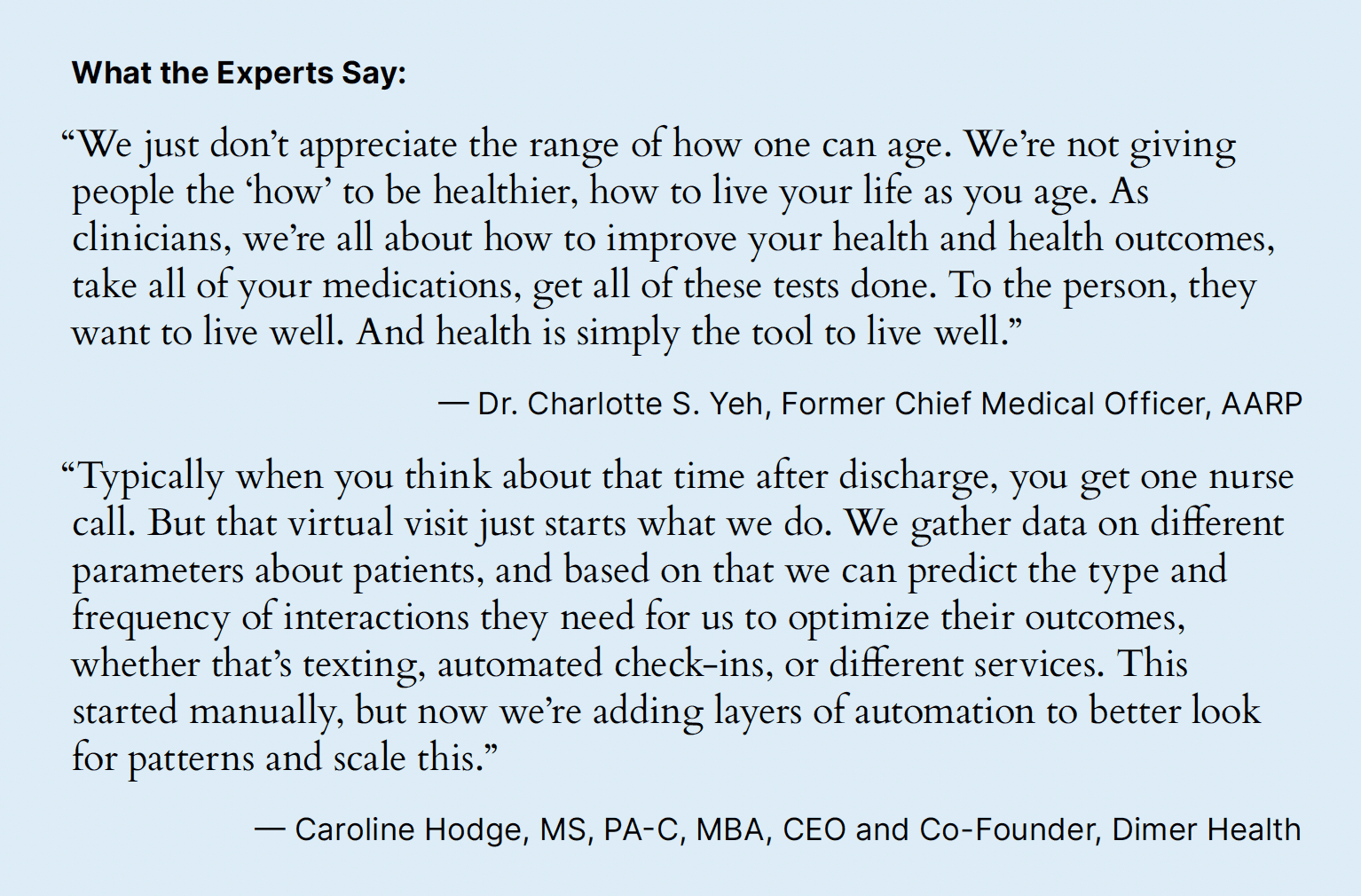
When cultural conditions of ageism permeate healthcare, age can become a primary determinant of care for older patients. Treatment decisions may then be made based disproportionately on age-related factors rather than a whole-person view of the patient’s unique circumstances. In these cases, other critical determinants of health may slip through the cracks when they are viewed simply as a byproduct of aging rather than a more serious condition that requires a modified care plan. One example is hearing loss, which is common in many older adults but may also lead to cognitive decline if left untreated.
But aging is a spectrum; older patients may not be considered for more ambitious care such as surgeries or experimental treatments because of their age, even if they are active, healthy, and otherwise good candidates. In fact, some 20% of patients over 50 have faced age-based discrimination in their healthcare. Left unaddressed, these oversights can contribute to additional complications for patients including long-term cognitive decline, increased time in the hospital, reduced quality of life, depression, and more. A recent McKinsey survey on health outcomes found that 33% of respondents reported unplanned and costly follow-up care as a result of these types of preventable causes. Without the assistance of technologies like AI, providing the level of personalized care that is needed to address these concerns may be more resource-intensive than the current healthcare system can accommodate—often in terms of human resources, bed space, and cost.
Description
AI can help bridge this gap by developing personalized care plans for older patients based on a comprehensive profile, including their lifestyle and activity level, that accurately reflects their true, whole-body condition and goals rather than just their age, thereby leveling the playing field and reducing age discrimination. Further, AI can also be used to assess overall risk and acuity levels to determine what level of care is appropriate and when it will be most effective. For instance, this type of personalized data might be used by physicians to determine the right cadence and frequency of physical therapy appointments following joint replacement surgery based on each patient’s individual health situation.
Key Benefits
Key Considerations
Use Case 4: Early Disease Detection
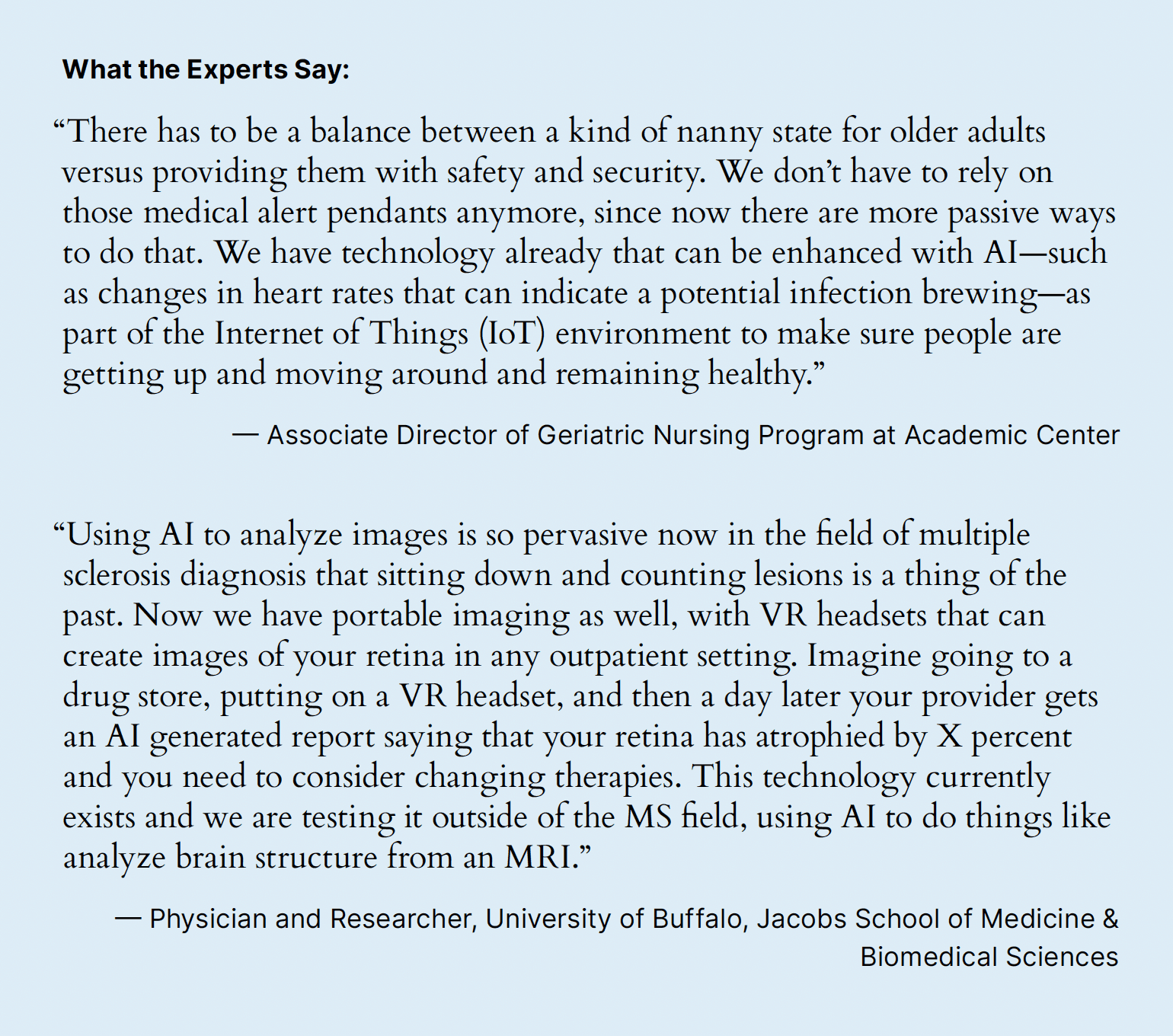
Early disease detection has long been shown to improve patient outcomes and decrease the need for invasive treatments. In breast cancers, for instance, cases that are caught in their earliest, localized stages have a five-year survival rate of 99%.28 Early detection is particularly important for older patients, as disease progression can mean the difference between a manageable condition and invasive required treatments that have a long-term negative impact on the patient’s quality of life. Primary care is typically the focus of most early detection efforts for patients of all ages, but the early signs of cognitive decline, physical disability, or social isolation may be written off as signs of aging. If found early, these key determinants of health can be addressed before symptoms advance.
Description
AI can enable remote patient monitoring through wearables, fall detection, and other technologies that may be trained to recognize early signs of decline or disease—and recommend a course of action.29 Beyond simple monitoring, however, AI can also increase the efficacy of these existing wearable technologies by enabling more sophisticated data analysis and predictive modeling capabilities. In this way, patient monitoring systems can be used as early disease detectors, proactively watching for symptoms and raising alerts when patients begin showing signs of more severe decline before they are seen by a clinician.
Key Benefits
Key Considerations
Use Case 5: Immersive Medical Education
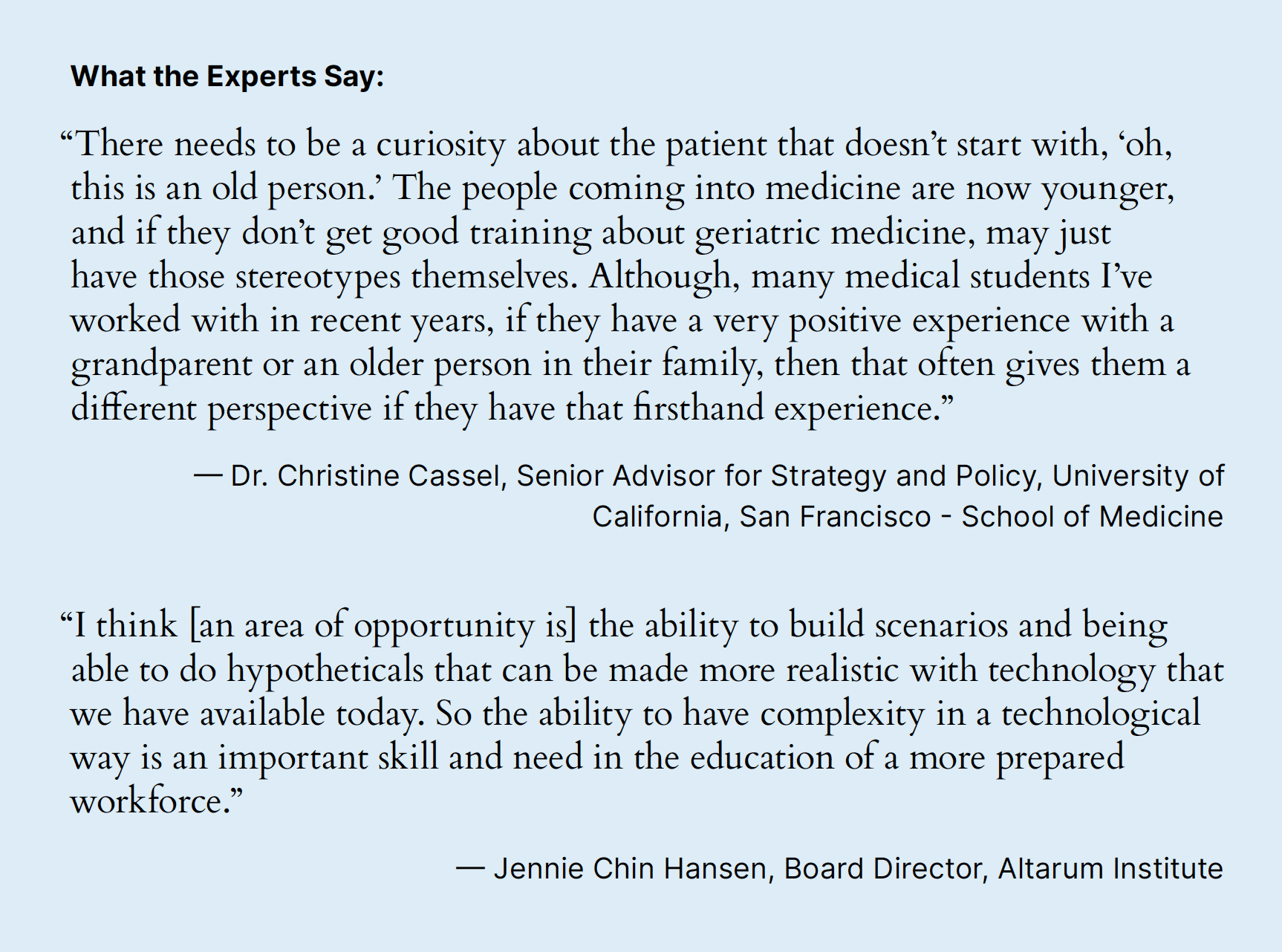
Traditional medical training emphasizes clinical knowledge but may sometimes overlook the lived experiences of older patients. Understanding age-related challenges—such as mobility issues, sensory impairments, and day-to-day difficulties—often requires perspectives beyond the medical textbook. Without first-person experience of what aging feels like and what it means to live in an older body, it may be difficult to fully grasp the effect of things like difficulty walking, reduced grip strength, or hearing and vision loss—and design optimized care plans for those differences in ability.
Education and simulation-based training can bridge this gap, allowing healthcare providers to step into the shoes of their older patients. By experiencing what it is like to navigate the world through the lens of an older patient, clinicians can tailor care accordingly.
When clinicians don’t have access to the perspectives of older patients, this potential disconnect and lack of understanding can lead to frustration from both the clinician and the patient. A member of the care team may recommend a treatment plan that seems straightforward—like taking multiple medications at different times of the day—without considering dexterity issues or cognitive changes that make adherence difficult. Conversely, they may underestimate an older patient’s capabilities, discouraging physical activity or independent decision-making when the patient is still capable of maintaining autonomy. Such misjudgments can negatively impact both health outcomes and patient-provider trust.
By integrating experiential learning into training programs, healthcare professionals can refine their approach to care for older adults. When providers truly understand the unique barriers older patients face, they can design care strategies that are both effective and practical—ultimately improving compliance, fostering trust, and enhancing overall quality of life.
Description
AI-enabled Virtual Reality (VR) and Augmented Reality (AR) simulations can immerse clinicians in the daily challenges faced by older patients, including mobility limitations to cognitive impairments, enabling more realistic scenario training in care for older adults. These technologies replicate real-life conditions like vision loss, arthritis, or dementia, helping healthcare providers understand and empathize with the physical and emotional impact of aging. AI and VR/AR technologies also have the potential to scale up clinical training efforts specific to the care of older adults, thereby helping the industry meet the care needs of the growing population of older patients.
Key Benefits
Key Considerations
Conditions for Success
The healthcare and direct care workforces who provide care to older patients operate in an industry that is historically slower to prioritize and adopt new technologies, but there are clear opportunities for AI to bridge the gap between patients’ needs and the workforce’s capabilities. As outlined in this report’s prerequisite, The Future of the Healthcare Workforce: Exploring How AI will Augment Delivery of Care in the United States, the broader impact of AI across healthcare can be fully realized only when key conditions are met by both the market and regulatory authorities.
Beyond these conditions that strengthen the opportunity for AI to support the healthcare workforce as a whole, there are additional considerations that are unique to the care of older adults. First, geriatric and gerontologic training and collaboration across specialties of healthcare can help this workforce better meet the unique needs of older patient populations through technology solutions. Additionally, there must be a shift in priorities for technology adoption in older patient care as well as a willingness to adopt and invest in innovative technologies that serve older patients to help meet the level and nature of their needs.
Cross-Specialization Involvement
By 2050, it is estimated that people 65 and over will represent over 20% of the U.S. population, up from barely 16% as of 2020. That population will need robust access to healthcare, but workforce shortages across the industry leave roles focused on older patient care at a disadvantage in meeting this incoming demand. There are currently only 7,500 geriatricians, or specialists in the care of older adults, in the U.S., but the aging population will need more than 30,000 to have their care needs met in the years ahead. Shrinking numbers of geriatric specialists reveal a need to ensure critical healthcare specialties, especially primary care, are provided opportunities to improve care delivery for older patients—thereby reducing bias and improving health outcomes. Clinicians across specialities will inevitably see more older adults as this patient population grows. When geriatric and gerontologic perspectives and training are extended across specialties of healthcare, clinicians are better equipped to optimize care in the context of their older patients.
Technology Investment
Despite the increasing demand for senior care, technology in this space often lags behind, forcing providers to rely on outdated systems. As the 65+ population continues to expand and workforce shortages intensify, the role of technology will become even more critical in ensuring high-quality, accessible care. AI-driven tools, remote monitoring systems, and automation can help alleviate staffing pressures, enhance efficiency, and improve patient outcomes. However, without a proactive and structured approach to integrating these advanced solutions, the healthcare system risks being overwhelmed by the rising number of aging patients who require specialized and continuous care. Highlighting the opportunity for innovation within this space—and the associated financial benefit for patients, health systems, and technology providers—can help reposition older patient care as an area ripe for investment.
Criteria for Supporting Older Patient Care with AI
The applications of AI are constantly shifting, and opportunities for AI to optimize care for older patients will likely extend beyond the use cases outlined in this report. When industry leaders seek to identify AI-enabled solutions that will strengthen the healthcare and direct care workforces’ ability to care for their older patients, three areas of inquiry can help inform such assessments.
Decreases overall cost of care delivery
When AI-enabled technologies can streamline operational inefficiencies and help reduce non-clinical expenditures within the care delivery process, resources can be strategically reallocated to increase direct compensation for clinicians. This improved reimbursement will serve to elevate the attractiveness of geriatric and gerontologic care professions, thereby strengthening workforce recruitment and retention. Additionally, evidence of reduced costs associated with care delivery helps encourage adoption and investment in innovation for older patient care. If healthcare and direct care organizations are provided evidence of clear return on technology investments, they are more willing to embed such technologies in the delivery of care.
What to look for
Developed according to insight from clinicians
Technology innovation must be informed by the clinicians who will use it to inspire adoption and build trust in the systems themselves. Involving healthcare professionals in the development process ensures that any AI application aligns with their workflows, addresses their challenges, and is intuitive enough for seamless integration with existing medical practices. Only with this buy-in can providers effectively communicate the value of AI to their patients.
What to look for
Developed according to insight from older patient demographics
Technology innovation in healthcare must be guided by the voices and experiences of the patients it aims to serve. Without their input, even the most advanced solutions risk missing the mark on real-world needs, leading to inefficiencies or lack of adoption. Engaging patients early and often helps ensure that new technologies are not only practical but also build trust, fostering a sense of collaboration rather than imposition.
What to look for